Jennifer Lucier

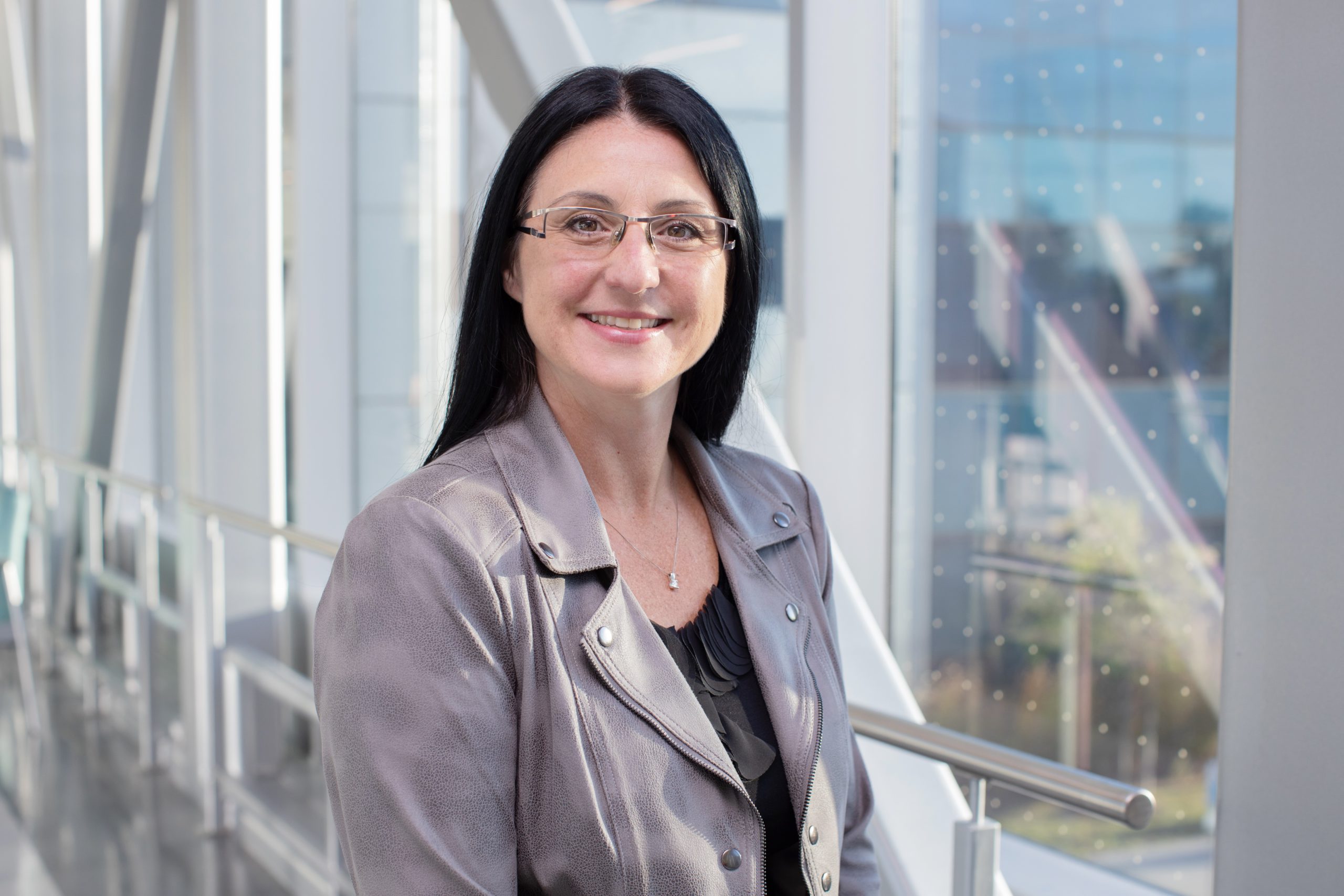
When a colleague suggested Jennifer Lucier consider joining the Joseph Brant Hospital Foundation Board of Directors in 2019, she was excited about the opportunity to have a meaningful impact on healthcare in her community.

“Joining the board enabled me to collaborate and connect with like-minded individuals with diverse perspectives, who all share a common commitment to improving healthcare,” said Jen.

And like any volunteer activity, Jen had to find a balance between professional work responsibilities, family commitments and volunteer work on the Foundation board.

“It would not have worked without my supportive network of family and friends, as well as my workplace at BDO,” she said. “In addition, following through on and committing to my day to day schedule while mastering the art of prioritization helped me balance and succeed both personally and professionally in these roles.”

For Jen, being on the Foundation board for five years was a privilege and showed her how a committed group of individuals can have a big impact.

“I’ve worked alongside my fellow board members as well as the staff at JBHF, all of which I have immense respect for as they are truly passionate about making healthcare better,” she said. “My time on the board has been great and one that I embrace with gratitude. I wish everyone at JBHF continued success and I look forward to continuing in my next chapter of development.”

The Joseph Brant Hospital Foundation would like to thank Jen, and all the volunteers who give their time generously in support of our hospital for making a difference for healthcare close to home.

Tony Korosak

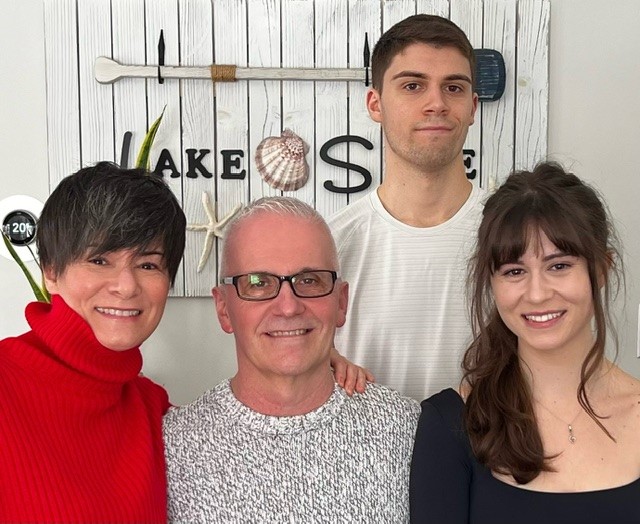
When Tony Korosak began treatment for his swollen foot, he had no idea how his life would change.

As his foot began to worsen, he came to the Emergency Department at Joseph Brant Hospital where he was taken in for several tests. Soon after, Dr. Armstrong walked in and gave Tony some grave news with an urgent timeline.

“I was diagnosed with gangrene and he told me that I needed an amputation immediately or I would die,” says Tony. “The news truly came as a shock but I only have five minutes to make a decision.”


Tony’s wife recalls the fear she felt and couldn’t believe the news.

“Tony was not angry or negative with this experience, but I was scared. But I soon felt reassured because we were provided with a whole support system of doctors, nurses, and staff,” says Lisa.

Tony would need three lifesaving operations and was put on antibiotics to ensure the gangrene would not spread in his body.

“Dr. Armstrong, Dr. Kalina, Dr. Dzaja and the whole team were incredible with Tony and with our entire family,” recalls Lisa. “From the physiotherapy team and nurses giving us updates, they went over and beyond to ensure we had a roadmap and knew what to expect every step of the way.”

For Tony and Lisa, it was how the entire team took care of their family that made their experience one they would never forget.

“It wasn’t just a doctor or just a nurse, it was someone who truly cared and that’s the way everyone was with us. We felt like we were in safe hands,” says Lisa.

What felt like an initial bleak situation turned into one of hope.

“I could never have imagined this whole experience happening to me. But the overall experience of feeling supported – it made me confident,” says Tony. “This is a new chapter in my life.”

Seventeen month after his amputation, Tony still feels as positive as ever about his journey. “They say it takes a village to raise a child and the same can be said for an amputee’s recovery,” reflects Tony. “It is fascinating how in a blink of an eye your entire life can change.”

He continues to praise the team at JBH for their ongoing support in his recovery by creating a treatment plan for his health, function, and providing an outline and steps towards physical and psychological rehabilitation.

“My road to recovery is not over but I am forever grateful for the care that my family and I received from Joseph Brant Hospital. My daily routine looks different than it did 17 months ago, I am improving every day and am always taking a new step forward in my recovery.”

Joanne Corner

Joanne had never had any major health issues, until suddenly, she began to experience some very strange symptoms. The active figure skating coach was experiencing extreme fatigue, sudden weight loss and tachycardia. Joanne reached out to her doctor, who soon directed her to Joseph Brant Hospital.

After a series of tests were run, doctors began to believe it was Myeloma. Joanne met with Dr. Kang quickly, where she was told she needed to get a bone marrow biopsy done immediately.

“I was so impressed with the urgency, the attention, the listening – consciously listening to me and being attentive,” says Joanne.

Joanne was diagnosed with high-risk multiple myeloma ( T(4,14)) and soon began chemotherapy treatments.

“It was awful, it was shocking, and it was frightening. Cancer is one thing, but I’d never heard of multiple Myeloma which created more fear in me,” says Joanne. “The staff in Oncology were superior. They knew that I was emotionally struggling and immediately set me up with one of the social workers in Oncology.”

Joanne was called back to see Dr. Kang where he informed her that they needed to perform, two, back to back, stem-cell transplants – also known as a tandem transplant.

“The doctors and staff were so prompt with these tests – everything was urgent and immediate,” remembers Joanne.

Joanne continues to return to Joseph Brant Hospital lovingly and warmly for indefinite, bi-weekly chemotherapy.

“I have never been so grateful to be alive for every second of my every day. It’s no doubt this diagnosis has dramatically changed the person I am. I feel like my cancer has now empowered me as a person, and I owe it to Joseph Brant Hospital,” says Joanne.

For Joanne, she can’t help but be full of hope because of the staff at Joseph Brant Hospital.

“To this day, I find absolute strength in knowing that the staff have my life in their hands. I have absolute trust and faith in them,” says Joanne, “When I walk into Oncology, I feel empowered – I no longer feel scared. I feel that I’m beating cancer.”

Bill Rogers

Bill Rogers had just moved backed to Ontario, but physically something didn’t feel right.  He went to see his family doctor, who ran a few blood tests.  Soon after, Bill found himself at Joseph Brant Hospital for a colonoscopy.

According to Bill, it must have been one of the shortest colonoscopies ever, due to the tumour that was blocking the path of the scope.

“I was diagnosed with stage 4 colon cancer,” says Bill.

Bill was referred with Dr. Bacopolous at Joseph Brant Hospital where he had his first surgery in August.  Unfortunately after surgery, he was told that the tumour had grown and it was in a location where nothing could be done.

“I was assigned to Dr. Phillips, and was scheduled to start chemotherapy in late September, but then my blood count dropped which required a transfusion. Shortly after, unrelated to the transfusion, I developed a blood clot that put me in the hospital for 8 days,” recounts Bill. “My tumor had grown to such an extent, I couldn’t digest food.”

Bill was soon set up for radiation, which resulted in some improvements that meant by the mid-December Bill was in a position to begin chemotherapy.

“My question to the doctors was, what happens if I don’t do chemo?,” Bill said. “They told me if I didn’t, I would only have a couple months to live – maybe a year.”

Bill began to look at short term goals, and just ahead of his sixth chemotherapy treatment, he booked a trip to Los Angeles to take in a Dodgers game and to see Bruce Springsteen. He had another assessment meeting, where it was discovered that his tumours had shrunk to where he was a candidate for surgery. After two more chemotherapy sessions, he took a break to prepare for surgery and after meeting his surgeon, he flew to Los Angeles.

During Bill’s treatments, his tumor went from inoperable to operable and Bill was deemed a candidate for surgery, which he underwent, lasting 12 hours.

When a post-surgery follow up CT scan was conducted in early September it had picked up 21 cancerous spots on his liver.

“My condition was treatable, but not curable. I went through another 16 chemo sessions. By the end of the June, I asked my doctors for a break for the summer.  Before we could proceed with the break a CT was conducted and there was no evidence of cancer,” remarks Bill.

Over the next 10 years, the doctors continued quarterly assessments and tests that soon scaled down to semi-annual.

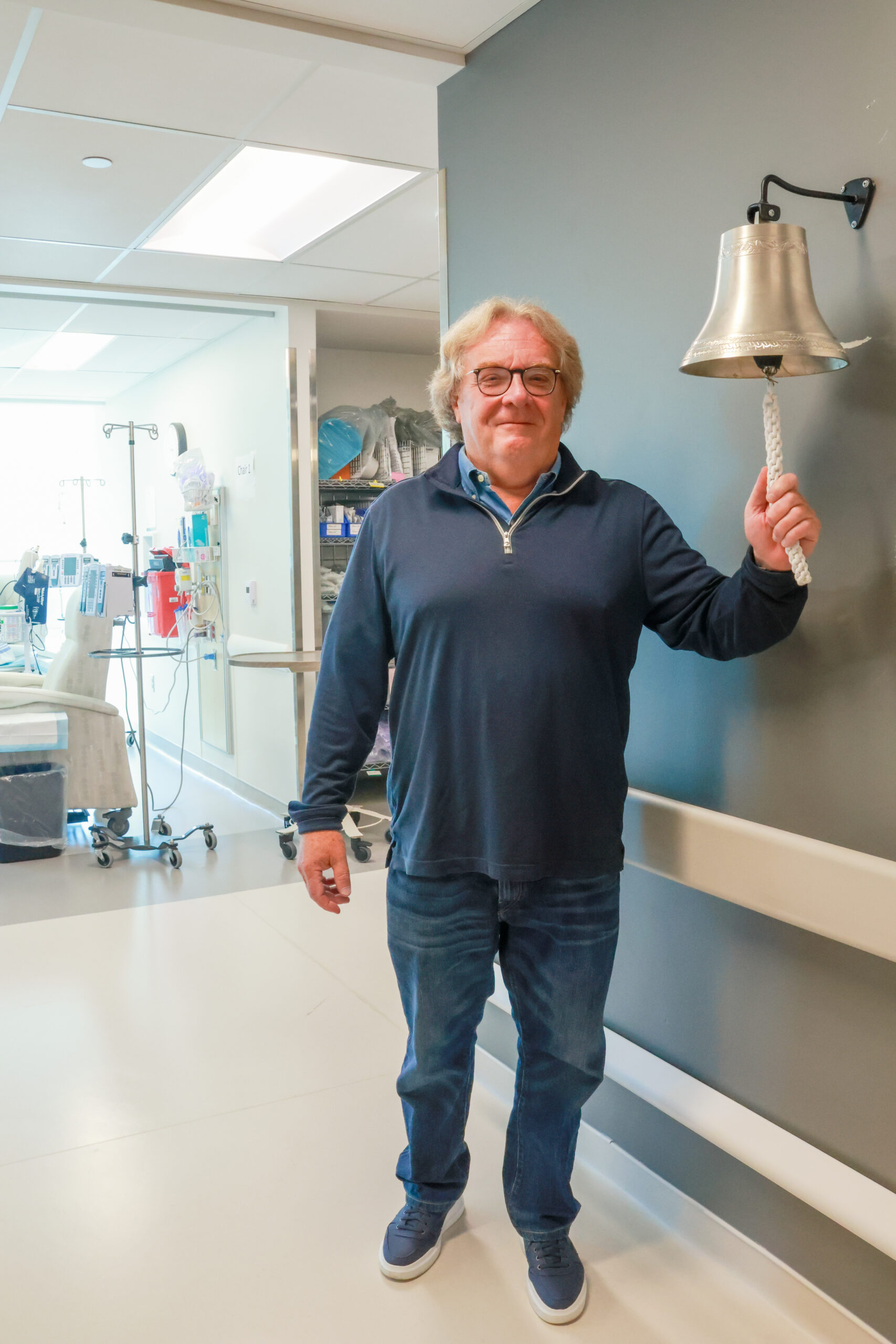
“The presence of cancer had not come back,” says Bill, “I had only a few months to live, but 10 years later, I got to ring the bell to mark the end of my treatment journey.”

For Bill, Joseph Brant Hospital was the difference maker.

“The doctors and staff are strong and caring individuals who want every patient to be successful. They give you a positive attitude which benefits your health outcomes,” says Bill. “They go above their job, because they care about you as an individual. It goes a long way to build the confidence you need to go through something as difficult as this. If the people supporting you believe in you, it makes you stronger for the fight you have ahead.”

Susan and Jeff Moore

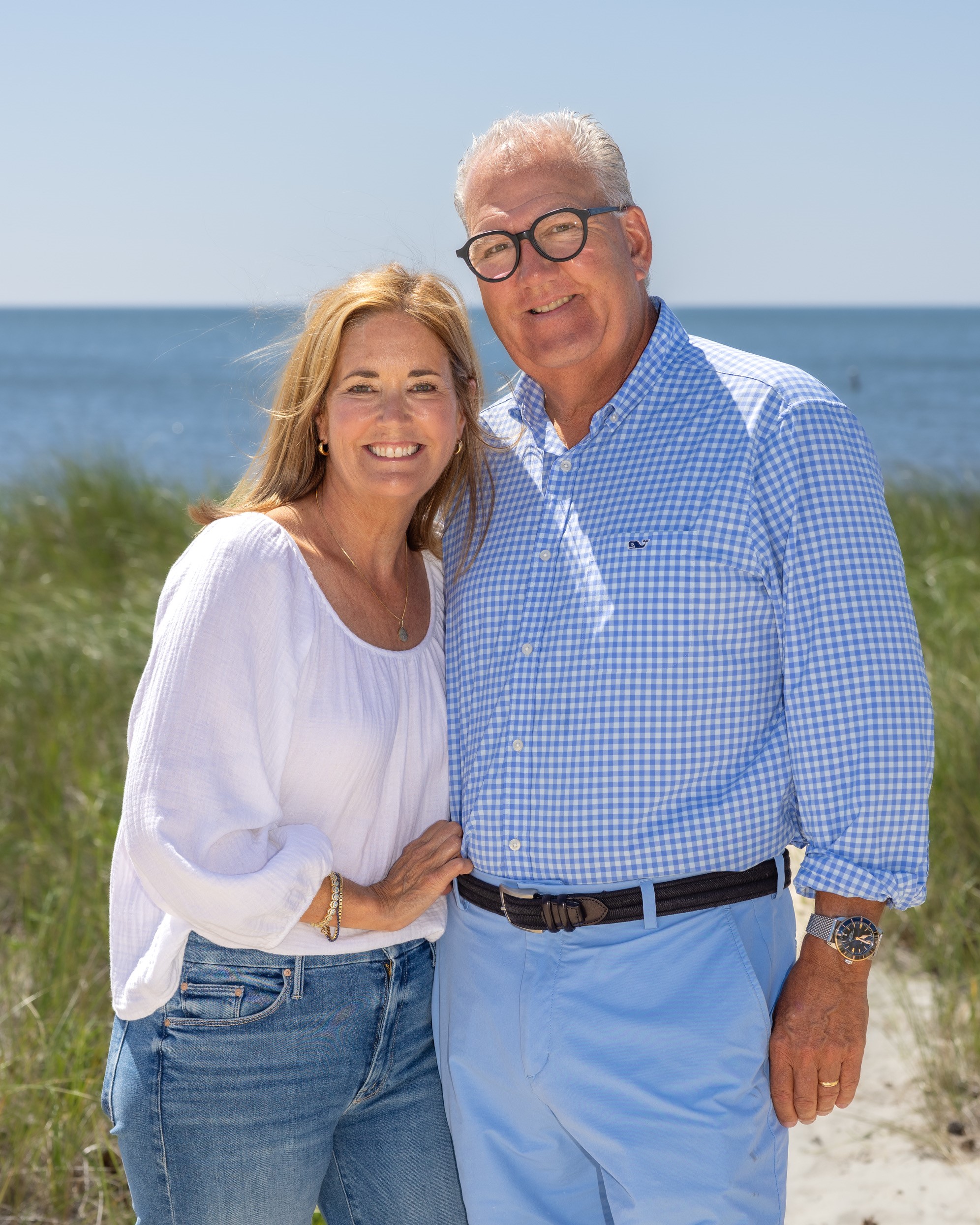
For us, supporting our local hospital is critically important,” says Jeff and Susan Moore. “The path to a successful town, city, and country starts with the foundation of exemplary healthcare and strong educational systems, and everything follows from there.”

And they have always appreciated the exemplary care received at Joseph Brant Hospital. Two of their three children were born at JBH, and as Burlington residents, they take great pride in their community hospital.


Susan served on the JBH Foundation Board of Directors, and sat on the Our New Era campaign cabinet for the redevelopment and expansion of the hospital. In addition to her volunteer work, Susan and Jeff have been longstanding donors to the Foundation, most recently making a gift in support of the Mental Health & Addictions (MHA) program.

For the Moore’s, it was about making a difference to an issue that many in our community are facing.

“Everyone has had mental health hit close to home,” says Jeff. “That’s where we felt like we could really make a difference.”

For Susan, their support of the MHA, and specifically Prioritizing Health through Acute Stabilization and Transition (PHAST) and Child and Adolescent Psychiatric Services (CAPS), is helping JBH provide the care and compassion that people need to help them heal.

“I don’t know anyone that hasn’t had a family member struggle with a mental health issue at some point in their lives” she says. “Our family is no exception and so much of it is invisible. Getting the right care through supportive programs, in a facility that can provide compassionate state of the art care, should be no different than treating physical health issues.”

For the Moore family, being able to provide high-quality care in a dignified, healing space goes hand in hand to promote wellbeing.

“I would say ultimately the goal is to provide care in a space  that is happy, uplifting and safe, both for the patients and staff.” says Susan.

Frank and Carol Tristani

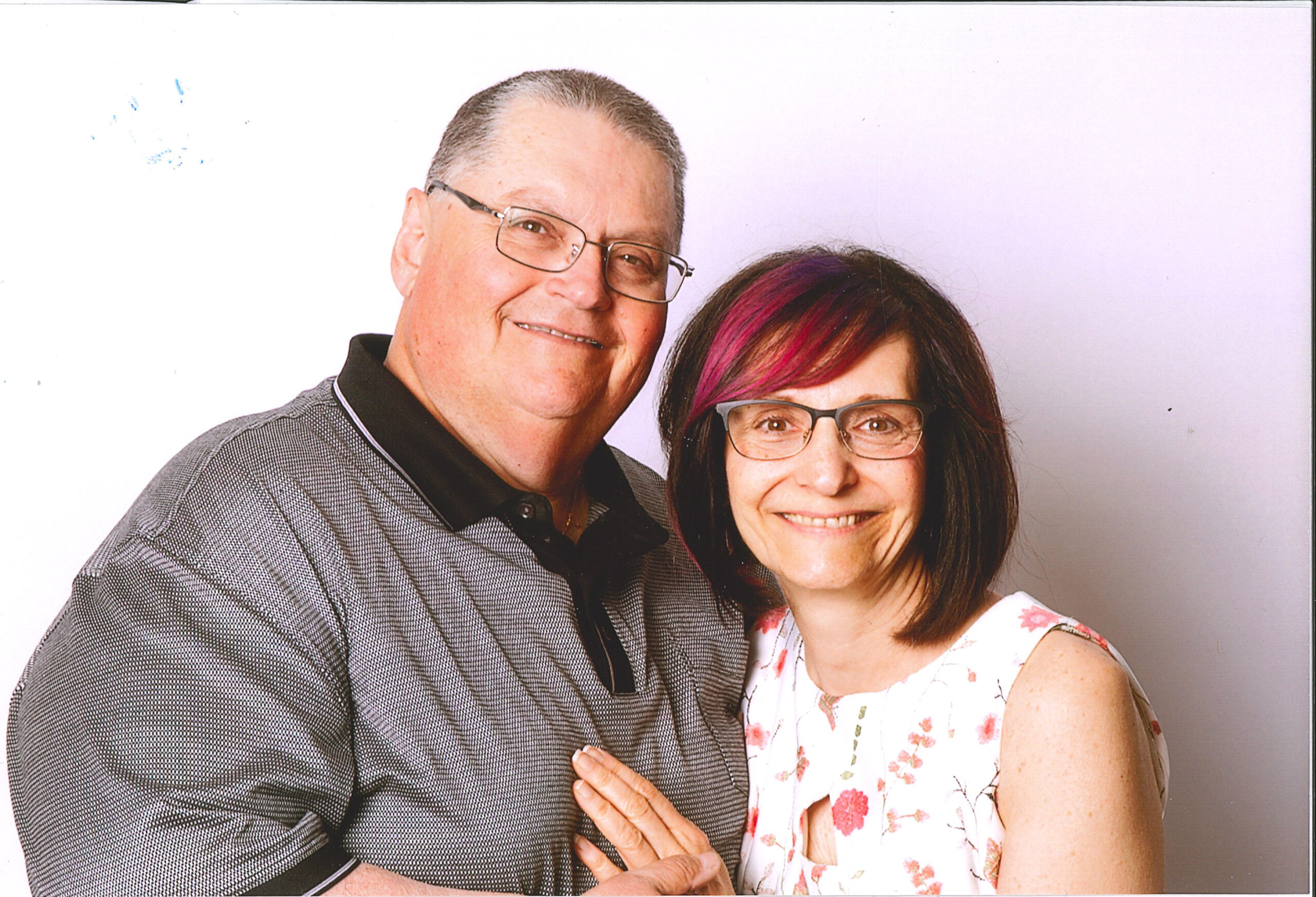
For Frank and Carol Tristani, charitable giving has always been a passion, with a particular focus on making things better for people.

“We’ve always been passionate about healthcare and education,” says Carol. “It’s about caring about people.”

And for Frank and Carol, making a gift to the hospital in their estate was an easy way to leave a legacy of support.

“We live in this community and we talked about making a legacy gift to the hospital and decided the best time to do it was when we can do it together,” says Carol. “It was important that we had an open dialogue so that we both knew what we wanted to support and what we wanted our legacy to look like.”

With their bequest established and supporting priorities that resonates with them, the Tristani’s also wanted to make a gift that would benefit the hospital and the community sooner, and bridge their interest in healthcare and education.

The Frank and Carol Tristani Education Awards will provide eligible nurses, registered medical radiation technologists, or imaging technologists with a bursary to continue their professional development.

“We want to look more to what we’re doing in the future, not the past,” says Frank. “Hopefully whoever uses these scholarships are setting themselves up for the future.”

The impact that will be achieved through these awards will help staff achieve their personal goals while also having a direct and immediate impact on patient care.

Jackie

From the outside, those who knew Jackie saw her as accomplished and successful. She had worked hard in school, had a stable career, and a family. But underneath it all, she was working hard to keep everything together and was hanging on by a thread.


“I had struggled with mental health and addiction difficulties throughout my entire life,” she said. ”Often this struggle was in silence because it’s so hard to access that kind of help because of stigma.”

What proved most difficult along her journey was finding the right treatment. For almost 30 years, Jackie was treated mostly through community agencies and private therapists for. Despite the support she was receiving, her addiction and mental health issues were impacting nearly all areas of her life. Jackie was being treated for a diagnosis that, while listed in the DSM, many psychiatrists and therapists have moved away from.

“Despite years of therapy, I remained in a pattern of avoiding difficult feelings and memories,” Jackie says. “It left me ill prepared to cope with stressors and this led to an increase reliance on my addiction to manage.”

Unfortunately, things reached a crisis point on Christmas Day several years ago, and she ended up being admitted to the in-patient psychiatric unit at JBH. While things had really unraveled and it was a very painful time, it was actually a blessing in disguise.

“The admission was very brief and life changing for me,” says Jackie. “My consult with the psychiatrist on the unit was the first time my previous diagnosis was challenged and was the start of a very different journey.”

The admission resulted in a referral to the PHAST program which then led to the DBT program in Community Mental Health, which Jackie credits with saving her life.

Undoing 30 years of therapy has not been an easy process. There was comfort in the previous type of therapy she had received and close connection with the people who had tried so hard to help her for many years. At the same time, she could see it wasn’t getting her the results she wanted. Jackie realized she was not getting where she needed to be and made the difficult switch. For the first time, her addiction and mental health needs would be met by one person in one program through one set of skills.

“Through this program, I have learned healthy ways to cope with extreme anxiety by learning skills that help me to manage emotions and prevent the escalation of them,” Jackie says. “I have set goals and has slowly been working to re-build my life.”

One of the components of the DBT program is to re-engage with something in the community whether it be work, volunteering, or school. Jackie has done a bit of all of this. She is involved in a community food program where she gets to draw from her previous experience when she used to work in street ministry. She has returned to supply preaching after an extended absence. She has also joined the Walk to the Lighthouse Committee raises funds and awareness for Mental Health and Addiction Services at JBH.

When Jackie first joined the committee, she was worried about participating in something that was so publicly connected to mental health. She then realized how freeing it was to be open about her experiences and to be able to share her journey.

“I hope that by sharing my story, others will know they are not alone and be more comfortable to seek the help and support they need,” she says.

Jackie’s journey has been intense and full of hard work to change long standing patterns and to understand her issues and treatment through a very different lens.

“The path is not linear and it sometimes feels like a few steps forward and then back, but overall, I continue to move forward,” she says. “The work is both exhausting and rewarding but with determination, rebuilding my life is now obtainable.”

Tracy King

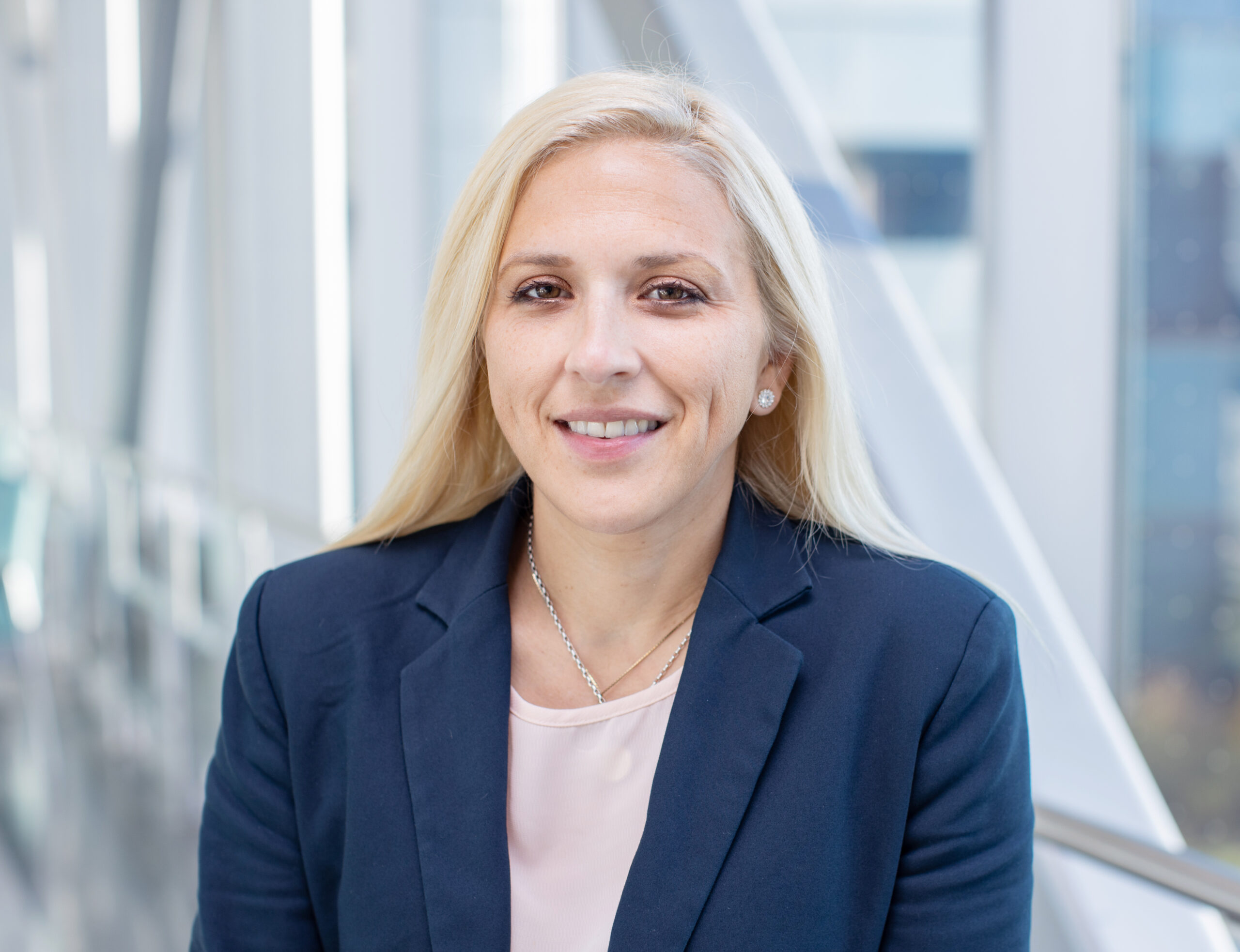
When Tracy King moved to Burlington 23 years ago, she knew she wanted to make a difference.  At a young age, her mother taught her the importance of giving back to the community you live in.

“My family has always been supportive of my desire to give back to our community.” says Tracy, “Volunteering is truly a part of who I am.”

Tracy began volunteering at her children’s schools, creating and running multiple events to help bring the community together while raising funds.  It was at the Crystal Ball that Tracy was first introduced to the Joseph Brant Hospital Foundation.

“I was approached by a Board member to consider joining the Foundation Board,” recalls Tracy.  “With my background in finance and my own personal commitment to making a difference, it felt like an opportunity for me to make a meaningful contribution to the community I now called, home.”

For Tracy, engaging with the broader community while helping to raise critical funds for her community hospital has made volunteering fulfilling.

“Being a part of the Foundation Board has allowed me to give thanks to the doctors, nurses and staff that work tirelessly to ensure we have exceptional healthcare delivered in our community,” says Tracy. “It has allowed me to meet and thank donors, both major donors and the children who set up a lemonade stand and let them know the impact they are making to healthcare in Burlington.”

Roger Ahamad

In late 2014, Roger Ahamad’s family doctor had some concerns based on symptoms and directed him to an Emergency Department. Roger came to Joseph Brant Hospital, and after undergoing testing, he was scheduled for a follow up four months later.

But when Roger came for his follow up appointment, the mass had grown significantly.

“I remember the worried looks on the doctors’ faces,” he recalls. “They said one way or another, this mass needs to be removed and the surgeon ordered a CT scan to prepare for surgery. That’s where things took a turn.”

The CT scan revealed a large mass on Roger’s colon, a smaller mass on his pancreas, and two spots on his liver –all of which looked cancerous.

It was April 22, 2015 when it was confirmed to be cancer, and that surgery was not recommended because it had metastasized. Roger and his family were given a median survival timeline of 11 months.

“We set my expiry date at March 22, 2016,” said Roger.

Roger began palliative chemotherapy treatments at Joseph Brant Hospital, and received what was termed the “Olympian treatment of drugs.”

Over the next almost five years, Roger received treatment every two weeks – 95 in all, in addition to 10 visits to the Emergency Department, 25 nights in hospital, and five radiation courses. Throughout it all, he knew he was in good hands.

“I have nothing but incredible memories of the entire team at JBH, most notably the nurses, who I call my oncology angels,” he said.

In March 2020, chemo was paused to determine the impact of treatment to the tumor. The good news was the multiple CT scans have, and continue to show no change. In July 2020, Roger had surgery to remove the mass obstructing his colon. The pathology, post surgery, revealed that it was a benign growth (schwannoma).

Because of the incredible care he has received, Roger has been able to continue to spend time with his wife and children, and his dog Marley.

“My family is grateful for the care I’ve received at JBH and can’t thank the team enough,” said Roger. “Thanks to the expert, compassionate care I received there, I am still able to go on holiday with my wife, celebrate important milestones with my family and play golf with my friends.”

Katie Murray

For Katie Murray, volunteering goes beyond the sense of good that comes from giving to your community.

“Volunteering is great fun,” she says. “Getting involved and meeting new people who share a common goal, being busy, learning from each other.  It’s such a wonderful way to be an integral part of your community.”


Katie has volunteered with the Joseph Brant Hospital Foundation Board of Directors since 2017 and is retiring from the board after six years of service. She has served on numerous committees and recently completed her second year as Vice-Chair.

She volunteered throughout her children’s school years – from fields trips, and class celebrations through speech judging, staff appreciation to major gala fundraising events – which she says kept her busy for almost two decades.

“Once my kids all graduated a dear friend introduced me to JBHF, and what a great fit,” Katie says. “I couldn’t think of a more important organization to which I should direct my energies. Healthcare is important to everyone.”

She is proud to have learned so much about the funding requirements of hospitals, how only the operations are funded by the province, all equipment needs to be paid for through fundraising.

For Katie and her family, Burlington has been home for over 25 years, with her youngest being born at JBH, as well as a few visits to the Emergency Department over the years. So getting involved in supporting healthcare close to home was an easy decision.

“Burlington is a great community to raise a family and it’s important for Burlington residents to be able to count on our local community hospital to provide excellent healthcare,” she says. “Through my time on the Foundation Board and hearing regularly from the senior leadership team I have total confidence our hospital provides excellent healthcare and will continue to do so moving forward.”