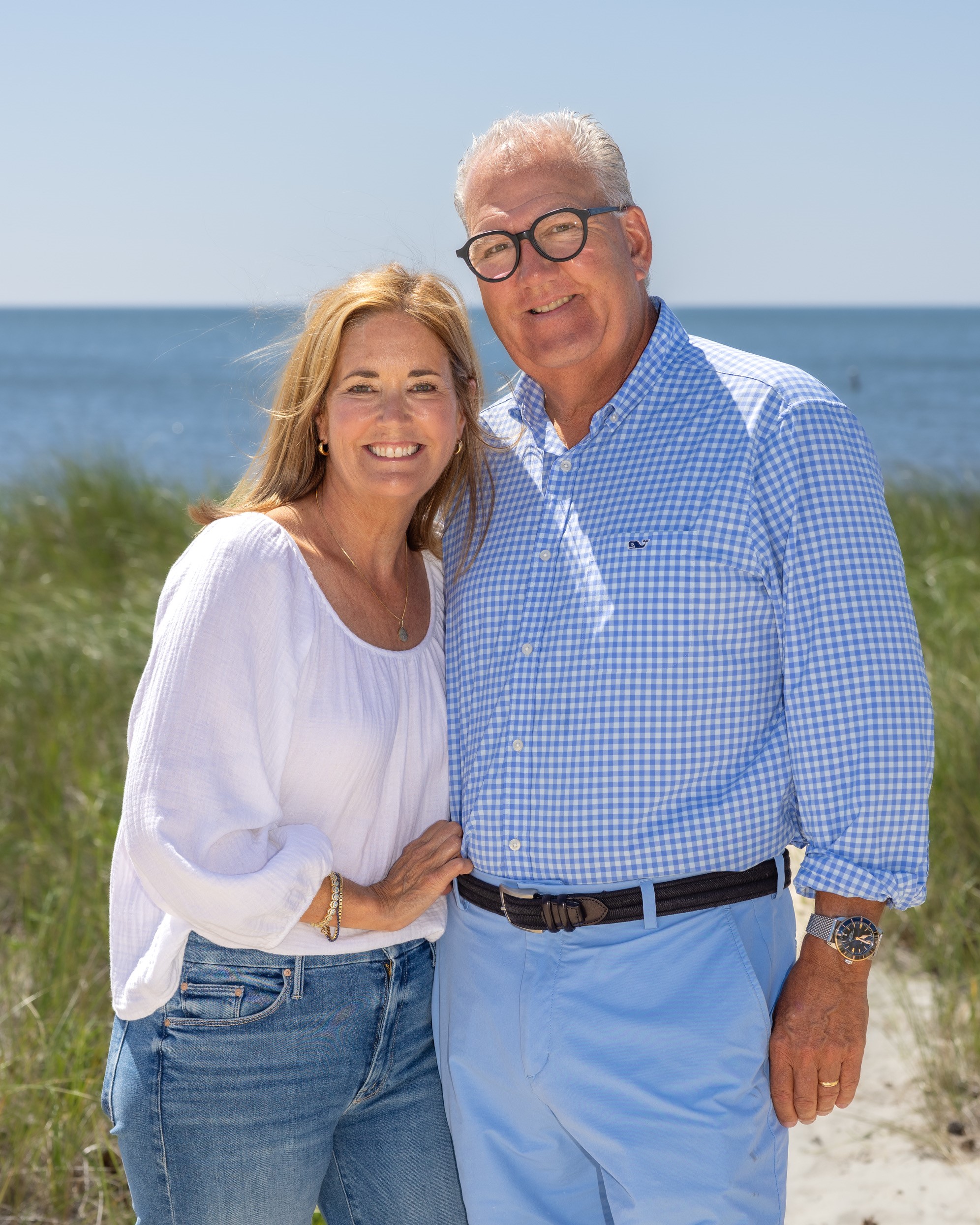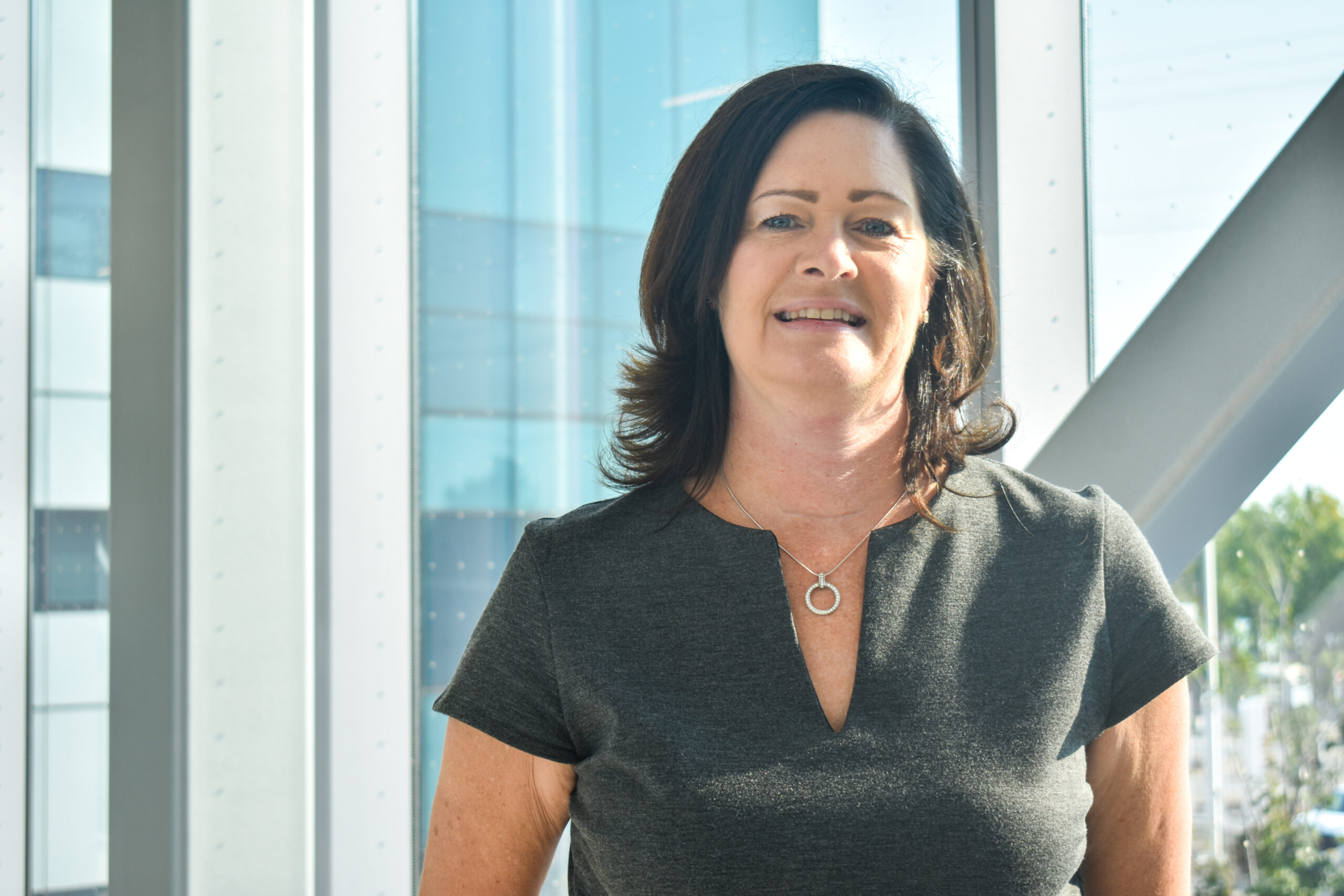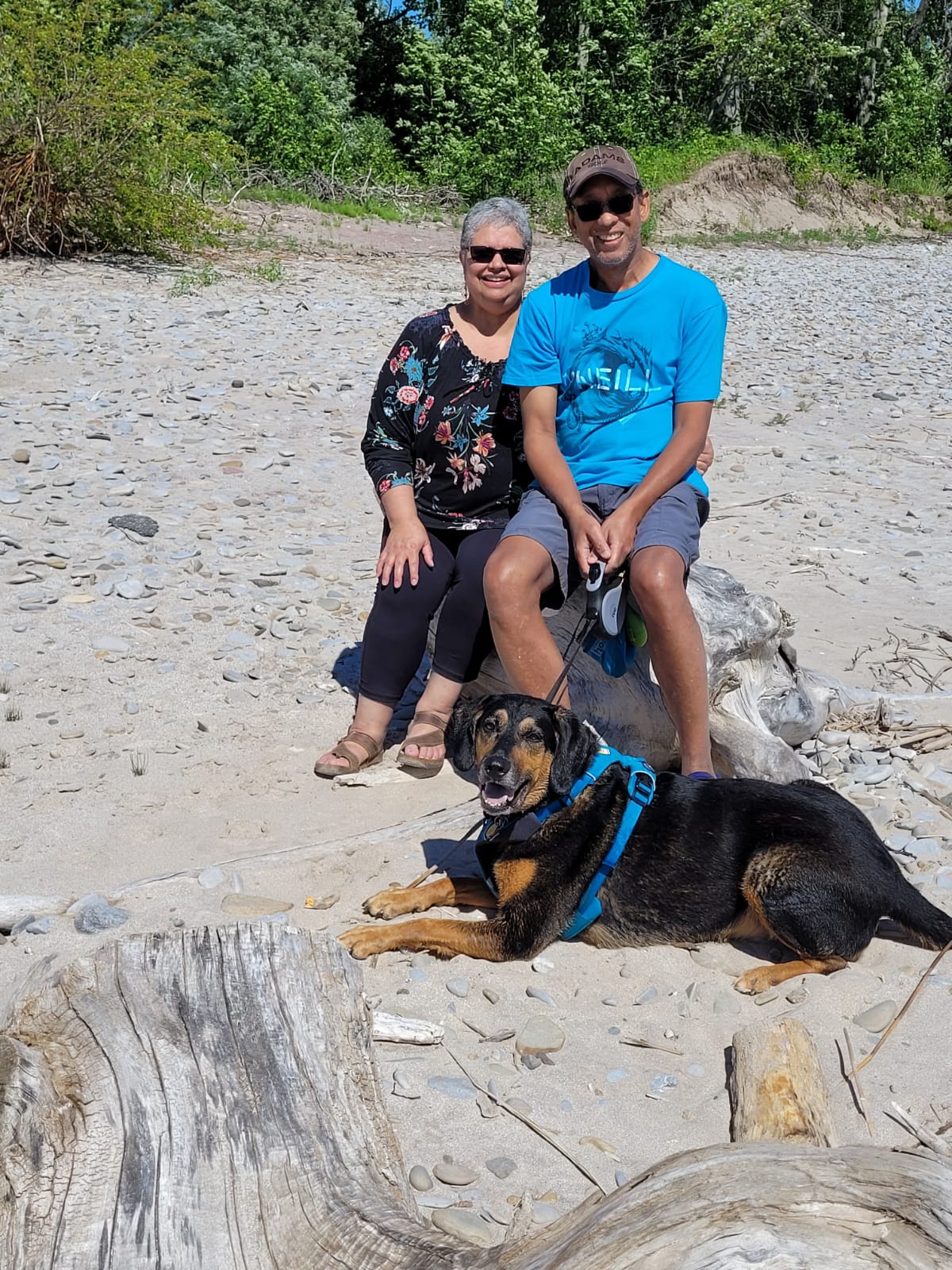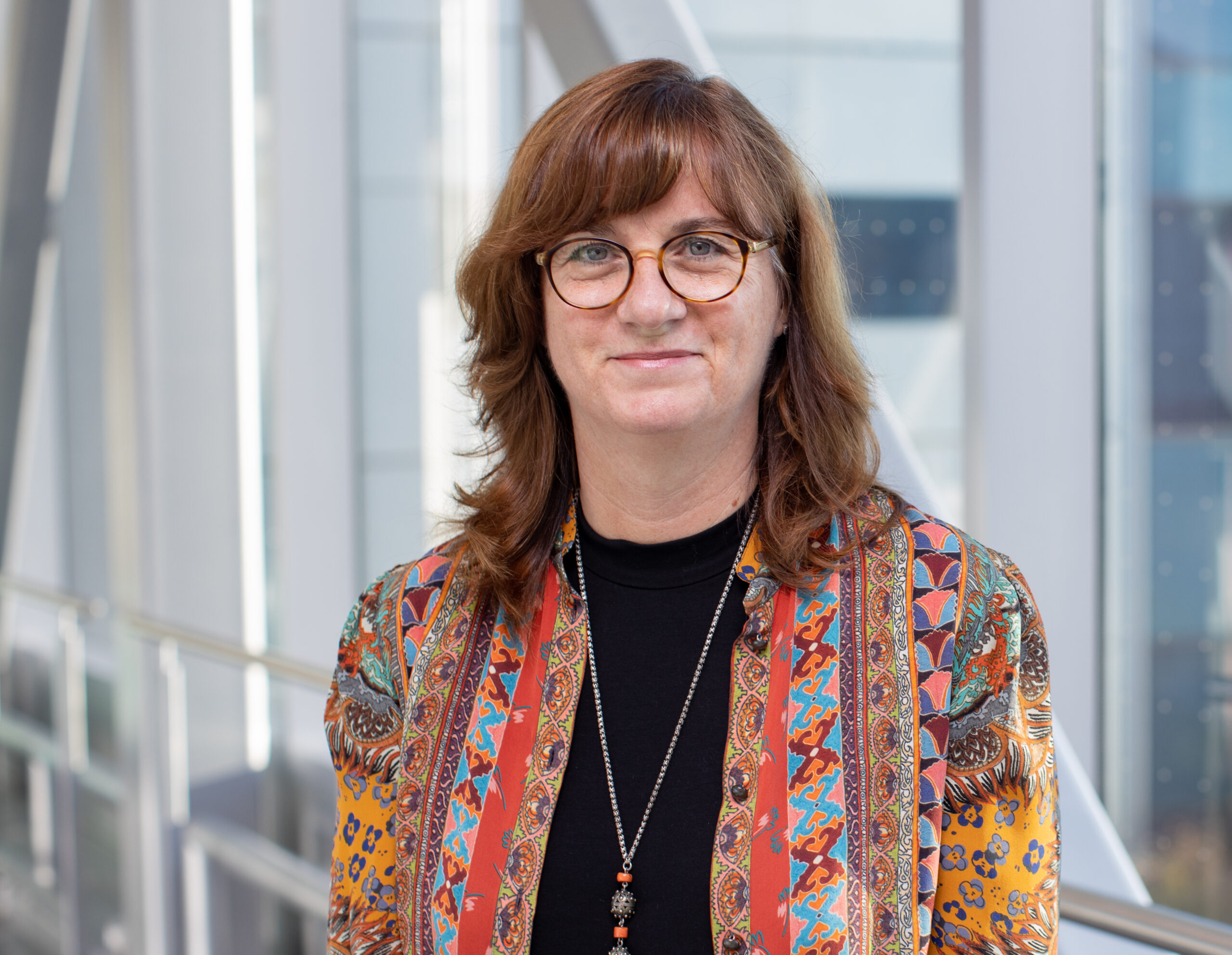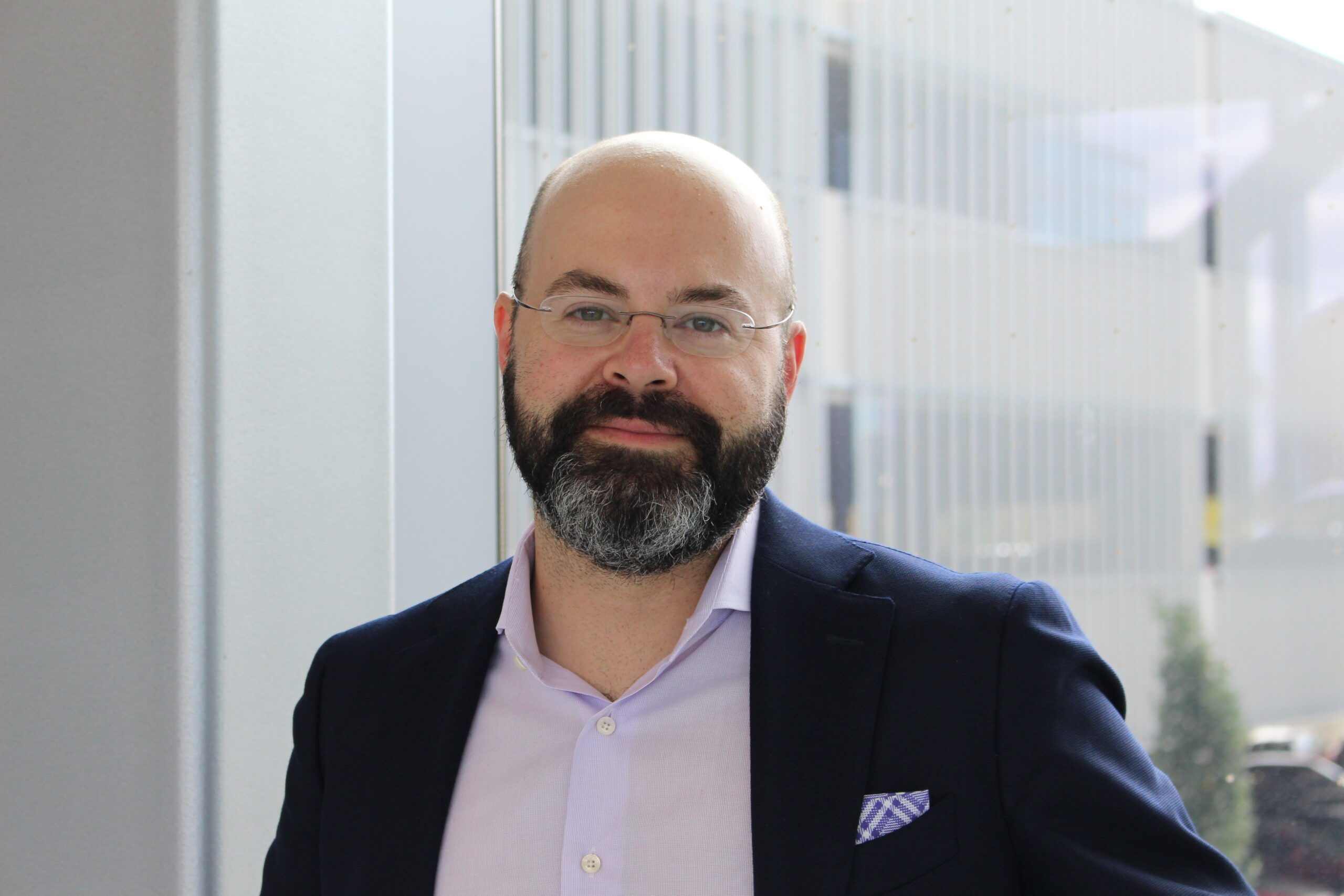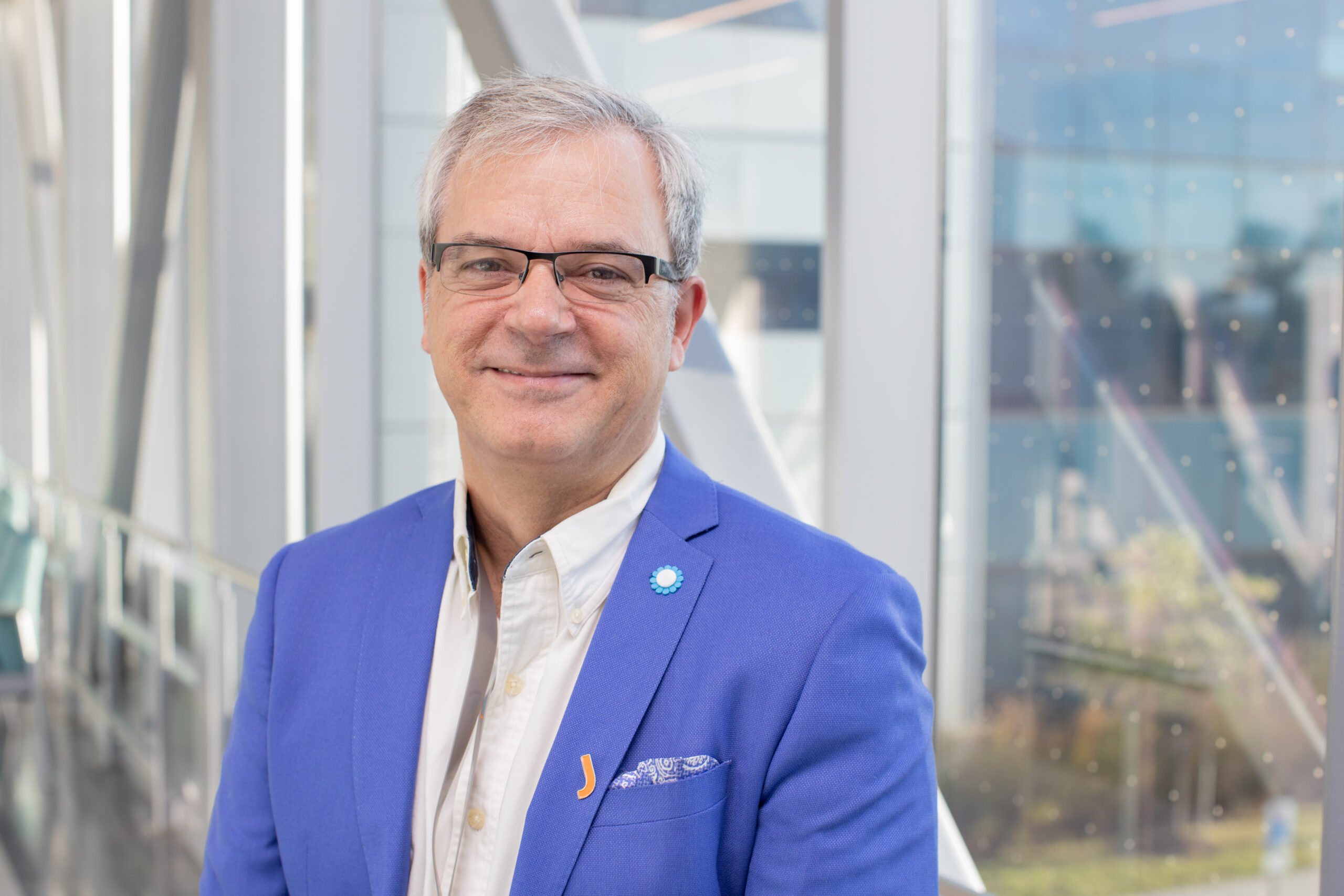
For us, supporting our local hospital is critically important,” says Jeff and Susan Moore. “The path to a successful town, city, and country starts with the foundation of exemplary healthcare and strong educational systems, and everything follows from there.”
And they have always appreciated the exemplary care received at Joseph Brant Hospital. Two of their three children were born at JBH, and as Burlington residents, they take great pride in their community hospital.
Susan served on the JBH Foundation Board of Directors, and sat on the Our New Era campaign cabinet for the redevelopment and expansion of the hospital. In addition to her volunteer work, Susan and Jeff have been longstanding donors to the Foundation, most recently making a gift in support of the Mental Health & Addictions (MHA) program.
For the Moore’s, it was about making a difference to an issue that many in our community are facing.
“Everyone has had mental health hit close to home,” says Jeff. “That’s where we felt like we could really make a difference.”
For Susan, their support of the MHA, and specifically Prioritizing Health through Acute Stabilization and Transition (PHAST) and Child and Adolescent Psychiatric Services (CAPS), is helping JBH provide the care and compassion that people need to help them heal.
“I don’t know anyone that hasn’t had a family member struggle with a mental health issue at some point in their lives” she says. “Our family is no exception and so much of it is invisible. Getting the right care through supportive programs, in a facility that can provide compassionate state of the art care, should be no different than treating physical health issues.”
For the Moore family, being able to provide high-quality care in a dignified, healing space goes hand in hand to promote wellbeing.
“I would say ultimately the goal is to provide care in a space that is happy, uplifting and safe, both for the patients and staff.” says Susan.
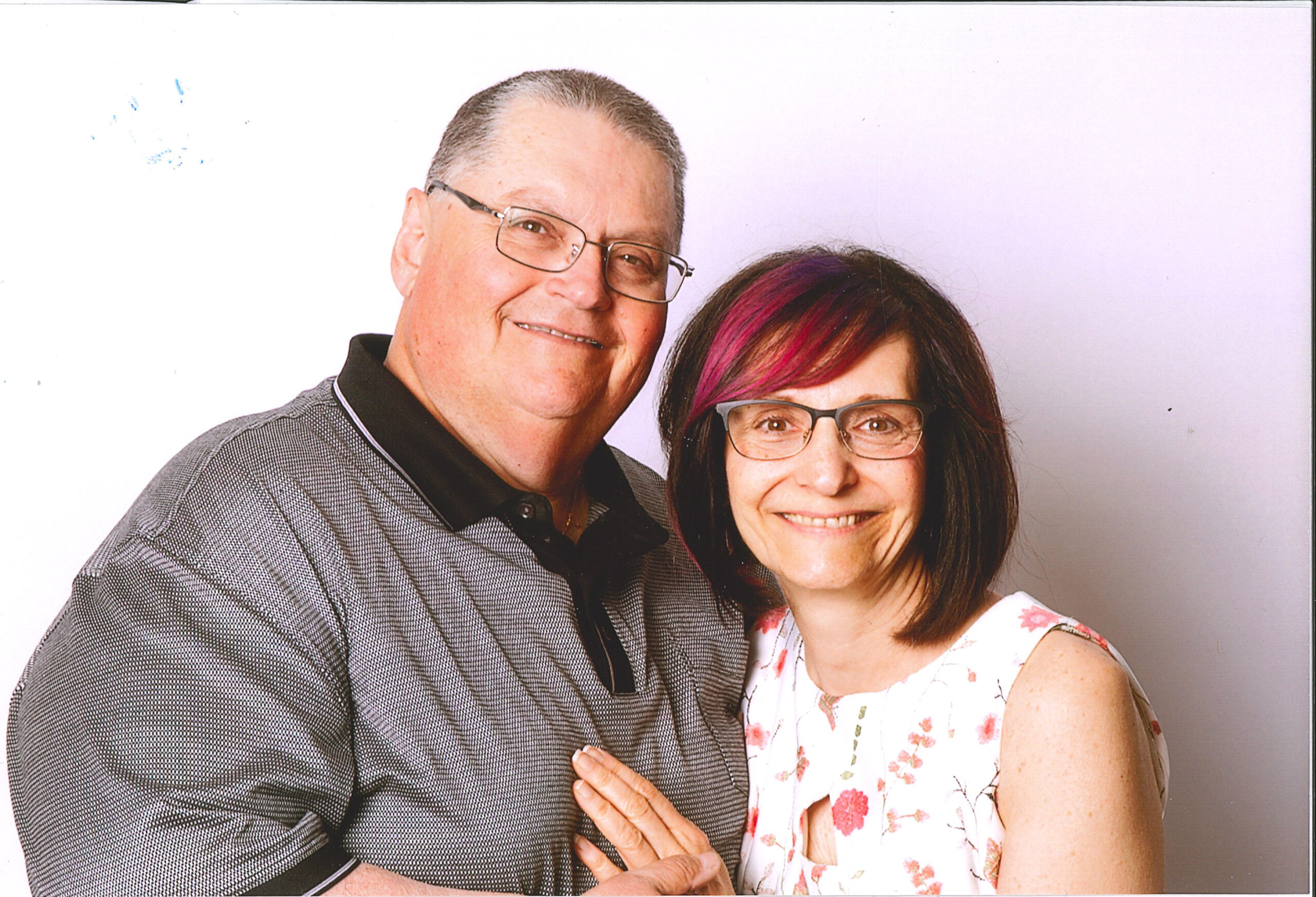
For Frank and Carol Tristani, charitable giving has always been a passion, with a particular focus on making things better for people.
“We’ve always been passionate about healthcare and education,” says Carol. “It’s about caring about people.”
And for Frank and Carol, making a gift to the hospital in their estate was an easy way to leave a legacy of support.
“We live in this community and we talked about making a legacy gift to the hospital and decided the best time to do it was when we can do it together,” says Carol. “It was important that we had an open dialogue so that we both knew what we wanted to support and what we wanted our legacy to look like.”
With their bequest established and supporting priorities that resonates with them, the Tristani’s also wanted to make a gift that would benefit the hospital and the community sooner, and bridge their interest in healthcare and education.
The Frank and Carol Tristani Education Awards will provide eligible nurses, registered medical radiation technologists, or imaging technologists with a bursary to continue their professional development.
“We want to look more to what we’re doing in the future, not the past,” says Frank. “Hopefully whoever uses these scholarships are setting themselves up for the future.”
The impact that will be achieved through these awards will help staff achieve their personal goals while also having a direct and immediate impact on patient care.
From the outside, those who knew Jackie saw her as accomplished and successful. She had worked hard in school, had a stable career, and a family. But underneath it all, she was working hard to keep everything together and was hanging on by a thread.
“I had struggled with mental health and addiction difficulties throughout my entire life,” she said. ”Often this struggle was in silence because it’s so hard to access that kind of help because of stigma.”
What proved most difficult along her journey was finding the right treatment. For almost 30 years, Jackie was treated mostly through community agencies and private therapists for. Despite the support she was receiving, her addiction and mental health issues were impacting nearly all areas of her life. Jackie was being treated for a diagnosis that, while listed in the DSM, many psychiatrists and therapists have moved away from.
“Despite years of therapy, I remained in a pattern of avoiding difficult feelings and memories,” Jackie says. “It left me ill prepared to cope with stressors and this led to an increase reliance on my addiction to manage.”
Unfortunately, things reached a crisis point on Christmas Day several years ago, and she ended up being admitted to the in-patient psychiatric unit at JBH. While things had really unraveled and it was a very painful time, it was actually a blessing in disguise.
“The admission was very brief and life changing for me,” says Jackie. “My consult with the psychiatrist on the unit was the first time my previous diagnosis was challenged and was the start of a very different journey.”
The admission resulted in a referral to the PHAST program which then led to the DBT program in Community Mental Health, which Jackie credits with saving her life.
Undoing 30 years of therapy has not been an easy process. There was comfort in the previous type of therapy she had received and close connection with the people who had tried so hard to help her for many years. At the same time, she could see it wasn’t getting her the results she wanted. Jackie realized she was not getting where she needed to be and made the difficult switch. For the first time, her addiction and mental health needs would be met by one person in one program through one set of skills.
“Through this program, I have learned healthy ways to cope with extreme anxiety by learning skills that help me to manage emotions and prevent the escalation of them,” Jackie says. “I have set goals and has slowly been working to re-build my life.”
One of the components of the DBT program is to re-engage with something in the community whether it be work, volunteering, or school. Jackie has done a bit of all of this. She is involved in a community food program where she gets to draw from her previous experience when she used to work in street ministry. She has returned to supply preaching after an extended absence. She has also joined the Walk to the Lighthouse Committee raises funds and awareness for Mental Health and Addiction Services at JBH.
When Jackie first joined the committee, she was worried about participating in something that was so publicly connected to mental health. She then realized how freeing it was to be open about her experiences and to be able to share her journey.
“I hope that by sharing my story, others will know they are not alone and be more comfortable to seek the help and support they need,” she says.
Jackie’s journey has been intense and full of hard work to change long standing patterns and to understand her issues and treatment through a very different lens.
“The path is not linear and it sometimes feels like a few steps forward and then back, but overall, I continue to move forward,” she says. “The work is both exhausting and rewarding but with determination, rebuilding my life is now obtainable.”
When Tracy King moved to Burlington 23 years ago, she knew she wanted to make a difference. At a young age, her mother taught her the importance of giving back to the community you live in.
“My family has always been supportive of my desire to give back to our community.” says Tracy, “Volunteering is truly a part of who I am.”
Tracy began volunteering at her children’s schools, creating and running multiple events to help bring the community together while raising funds. It was at the Crystal Ball that Tracy was first introduced to the Joseph Brant Hospital Foundation.
“I was approached by a Board member to consider joining the Foundation Board,” recalls Tracy. “With my background in finance and my own personal commitment to making a difference, it felt like an opportunity for me to make a meaningful contribution to the community I now called, home.”
For Tracy, engaging with the broader community while helping to raise critical funds for her community hospital has made volunteering fulfilling.
“Being a part of the Foundation Board has allowed me to give thanks to the doctors, nurses and staff that work tirelessly to ensure we have exceptional healthcare delivered in our community,” says Tracy. “It has allowed me to meet and thank donors, both major donors and the children who set up a lemonade stand and let them know the impact they are making to healthcare in Burlington.”
In late 2014, Roger Ahamad’s family doctor had some concerns based on symptoms and directed him to an Emergency Department. Roger came to Joseph Brant Hospital, and after undergoing testing, he was scheduled for a follow up four months later.
But when Roger came for his follow up appointment, the mass had grown significantly.
“I remember the worried looks on the doctors’ faces,” he recalls. “They said one way or another, this mass needs to be removed and the surgeon ordered a CT scan to prepare for surgery. That’s where things took a turn.”
The CT scan revealed a large mass on Roger’s colon, a smaller mass on his pancreas, and two spots on his liver –all of which looked cancerous.
It was April 22, 2015 when it was confirmed to be cancer, and that surgery was not recommended because it had metastasized. Roger and his family were given a median survival timeline of 11 months.
“We set my expiry date at March 22, 2016,” said Roger.
Roger began palliative chemotherapy treatments at Joseph Brant Hospital, and received what was termed the “Olympian treatment of drugs.”
Over the next almost five years, Roger received treatment every two weeks – 95 in all, in addition to 10 visits to the Emergency Department, 25 nights in hospital, and five radiation courses. Throughout it all, he knew he was in good hands.
“I have nothing but incredible memories of the entire team at JBH, most notably the nurses, who I call my oncology angels,” he said.
In March 2020, chemo was paused to determine the impact of treatment to the tumor. The good news was the multiple CT scans have, and continue to show no change. In July 2020, Roger had surgery to remove the mass obstructing his colon. The pathology, post surgery, revealed that it was a benign growth (schwannoma).
Because of the incredible care he has received, Roger has been able to continue to spend time with his wife and children, and his dog Marley.
“My family is grateful for the care I’ve received at JBH and can’t thank the team enough,” said Roger. “Thanks to the expert, compassionate care I received there, I am still able to go on holiday with my wife, celebrate important milestones with my family and play golf with my friends.”
For Katie Murray, volunteering goes beyond the sense of good that comes from giving to your community.
“Volunteering is great fun,” she says. “Getting involved and meeting new people who share a common goal, being busy, learning from each other. It’s such a wonderful way to be an integral part of your community.”
Katie has volunteered with the Joseph Brant Hospital Foundation Board of Directors since 2017 and is retiring from the board after six years of service. She has served on numerous committees and recently completed her second year as Vice-Chair.
She volunteered throughout her children’s school years – from fields trips, and class celebrations through speech judging, staff appreciation to major gala fundraising events – which she says kept her busy for almost two decades.
“Once my kids all graduated a dear friend introduced me to JBHF, and what a great fit,” Katie says. “I couldn’t think of a more important organization to which I should direct my energies. Healthcare is important to everyone.”
She is proud to have learned so much about the funding requirements of hospitals, how only the operations are funded by the province, all equipment needs to be paid for through fundraising.
For Katie and her family, Burlington has been home for over 25 years, with her youngest being born at JBH, as well as a few visits to the Emergency Department over the years. So getting involved in supporting healthcare close to home was an easy decision.
“Burlington is a great community to raise a family and it’s important for Burlington residents to be able to count on our local community hospital to provide excellent healthcare,” she says. “Through my time on the Foundation Board and hearing regularly from the senior leadership team I have total confidence our hospital provides excellent healthcare and will continue to do so moving forward.”
Dr. Steven Selchen joined the JBH Foundation Board in 2020 and instantly demonstrated his passion for creating access to high quality care. He had been an active supporter of the work of the Foundation through his role at JBH, and joining the Board of Directors was an extension of his desire to support the hospital and the community.
“JBH and Burlington have provided me with caring and supportive collaborators in demonstrating the kind of innovation that makes access to high quality care possible,” he says. “To me, volunteering is an essential part of that, and an essential part of each of us making our contribution to the world. We are all at our best when we are giving – giving of our time, our energy, our expertise, and our other resources.”
For Dr. Selchen, his time on the board was a unique and extraordinary opportunity to both learn and share how essential the Foundation is to being able to provide the kind of care hospitals provide.
“Many people think that because we live in a country with a publically funded healthcare system, everything is simply provided for by government,” he says. “In fact, very little of the extraordinary care JBH provides could be possible without the generous and vigorous support of our community through the Foundation.”
For Dr. Selchen, volunteering with the Foundation has allowed him to lead by example, to participate in the giving, to work along side passionate and dedicated volunteers and supporters, to learn from the extraordinary Foundation staff and network of generous supporters, and to help realize our vision of access to high quality care.
And how does he balance his clinical, professional and family responsibilities with his time volunteering?
“Volunteering in this way hasn’t come at the expense of my professional responsibilities or family duties – it invigorates them both,” he says. “One of my fondest memories is standing in the rain with my three children, and thousands of members of our community, at a JBH Foundation event, all of us in orange ponchos, as we tried to set a record for the largest letter J made out of people.”
For Dr. Frank Fornasier, Lead Hospitalist at Joseph Brant Hospital, joining the Board of Directors of the Joseph Brant Hospital Foundation was an easy decision.
“I’m a strong believer that wherever you work, you should be an owner, not an employee,” he says. “That means believing in your organization, and I believe in Joseph Brant Hospital and its commitment to our community.”
And for Dr. Fornasier, a big part of that is showcasing the Foundation and the role it plays back to the frontline workers in the hospital and in the community.
“I wanted to inform the community just how helpful their generosity and commitment is in terms of improving the quality of care that we can provide in the hospital,” he says. “My time on the Board and working with the Foundation team has been a wonderful, eye-opening and inspiring experience.”
Dr. Fornasier says he learned the true value in volunteering when he worked in the United States, where “it seemed like everyone did at least 3 or 4 volunteer jobs.” He says volunteering is very important to me because I feel like it is up to each of us to try to create a better hospital, a better community and a better world.
“What I saw in the US was a great spirit of volunteerism and people really wanting to make a difference in the community,” he says. “We’re so fortunate to live in this great country, it’s easy to give back…I consider it a duty and an honour.”
The Eaton Family – Brooklynn, Rob, Madilyn and Hugh
When Brooklynn and Rob Eaton’s twins arrived six weeks early, it wasn’t the storybook beginning to parenting they were hoping for.
“You’re expecting the same thing as your friends, and the movies, and it’s not always the case,” said Brooklynn.
After spending two days in a local Neonatal Intensive Care Unit (NICU), the doctors came to tell the new parents that their newborns, Madilyn and Hugh, needed to be transferred to make room and that Joseph Brant Hospital had space.
Before they came to JBH, the twins were separated within the hospital, which meant Brooklynn and Rob needed to split up and take turns spending time with their son and daughter separately. But once they arrived at JBH, they were quickly moved to the same bay so the family could be together.
“Right off the bat the whole atmosphere was amazing,” Brooklynn said. “We live an hour away and were worried about being on time, but the nurses were so reassuring and supportive. It was just so accommodating and it made me feel 100 times better.”
For the first-time parents, it was the staff and the support that truly made the difference. The nurses and pediatricians were in constant contact providing updates on the overall health of the twins and how they were progressing.
“They were fine to stand there and listen to our dumb questions,” joked Rob. “They did a fantastic job of telling us what the issues were, and what Madilyn and Hugh needed to do to be able to come home.”
For Brooklynn, the nurses truly made the experience.
“Nurses are just another breed of human,” she said. “Madilyn was suffering from acid reflux, and I was so upset. The nurses took the time to teach us, answer our questions, and always made us feel better.”
The twins spent a total of 30 days in the NICU and being an hour away Brooklynn and Rob often would call the nurses when they woke up to check-in.
“We would call and say ‘how was their night?’ and I felt we were becoming annoying, but it felt like they were waiting for our call,” Brooklynn said.
Overall, the couple was very happy with the care they received, and the overall experience.
“Whenever we tell people we were in the NICU, we would get that sympathetic ‘Oh…’,” said Brooklyn. “And I’ll say ‘you don’t understand – our experience was as good as it could be in the NICU. At one point there were only 4 babies in the NICU, and we were half of them!’”
In honour of the incredible care their family received, and in celebration of World Prematurity Day (November 17), Brooklynn and Rob asked for donations to the NICU instead of presents for Madilyn and Hugh’s first birthdays.
“The whole experience was very, very impressive and we’re so grateful,” Brooklynn said.
“It was just like you see on television,” remembers Jane Cook. “Mom’s mouth was drooping, her right side was paralyzed and we knew right away she was having a stroke.”
It was December 30th, 2021 and Jane’s mom MaryJane was rushed to the emergency department at Joseph Brant Hospital where she received a shot to clear the blockage while simultaneously preparing her for transport to a regional centre.
“I was receiving regular updates from Dr. Faulkner, and received a call from the nurse with mom in the ambulance that the shot relieved the clot,” says Jane. “She said I have the best news ever and mom was a good news story for sure.”
MaryJane had been diagnosed with dementia, and had no short-term memory. As a result, the team at JBH decided to admit her to the ICU for monitoring.
“She came home thinking she was a hotel for five days,” says Jane. “The food was good, and the service she received – the people were just so kind.”
Two days later, almost to the minute, Jane was back on the phone with the same 9-1-1 operator as her dad was experiencing similar symptoms.
“He said I can’t feel my hand – get Jane,” she remembers. “He was having trouble putting words together, and wasn’t really steady on his feet.”
The paramedics quickly identified that Frank had indeed experienced a mini-stroke, and brought him to Joseph Brant Hospital.
Frank spent almost three weeks on the rehab floor, where Jane remembers the incredible staff who looked after her father and called her with regular updates.
“All of the nurses were beyond great, beyond knowledgeable, beyond kind,” she says. “The fundamental approach was ‘How can I help you today?’.”
Frank celebrated his birthday in the hospital, and Jane and her siblings worked with the team to send over spaghetti and meatballs, garlic bread and a chocolate fudge cake.
“I’m so grateful for what they did for my dad,” says Jane. “They found he was dehydrated and had an undiagnosed stroke in the past. It was a blessing in disguise.”
For Jane, Frank and MaryJane, the experience with the team and the care at JBH was second to none.
“I was so impressed with everything,” Jane says. “When I retire, I’d like to work or volunteer at JBH – that’s the environment that makes you want to do better and to be a better person.”