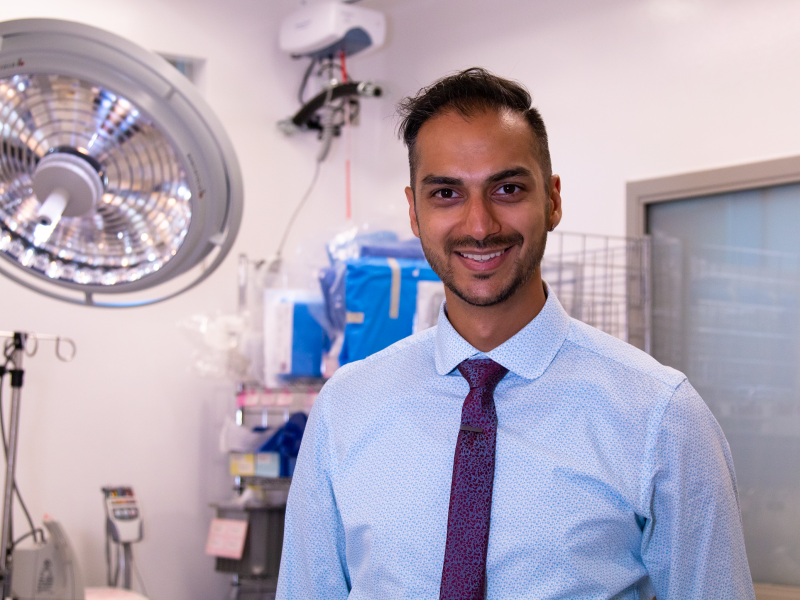
Bilo Sabra

For Bilal (Bilo) Sabra, his career as a mental health nurse begins and ends with one core fascination: people. He is constantly in awe of their ability to struggle, overcome, and endure life’s most difficult moments—and still find space for love, art, and connection.

These reflections stretch back to his childhood, when he and his family left Beirut, Lebanon, eventually landing in Detroit before settling in the Greater Toronto Area after several moves along the way. The diversity of people and how differently they responded to hardship left a lasting impression. “The vast difference in people—how they acted and reacted to their circumstances—was captivating,” Bilo shares. “I understood that I wanted to work with people, and nursing afforded me that in a very unique way.”

While studying nursing, Bilo joined the McMaster Student Outreach program, working with unhoused individuals in Hamilton to provide food and help them connect to services. That experience, along with his clinical placements, deepened his interest in mental health and helped him build meaningful connections with those facing challenges.

After graduating, Bilo began his career with The Salvation Army in Hamilton, later moving to Windsor to work with the Program for Assertive Community Treatment. He then joined Joseph Brant Hospital (JBH) as part of the Early Psychosis Intervention program. It was during this time that the PHAST (Priortizing Health through Accute Stabilization and Transition) program was being developed—a unique, community-wide initiative that focuses on early, integrated mental health care. Bilo was encouraged to apply and has since led the team with passion and purpose. “Each role has been a privilege, and each has stretched my knowledge and comfort zone in a different way,” he says.

Of course, mental health work is not without its challenges. “Sometimes the biggest need isn’t clinical—it’s material,” he explains. “People are struggling to afford basic necessities like housing, food, and clothing. We do our best to connect them with support, but the reality is, those resources often fall short. These financial stresses can either contribute to or be a result of mental health challenges—but either way, we need to start by meeting people’s basic needs.”

Despite these obstacles, the rewards are profound. “For sure seeing people get back on their feet and find a new way forward after a difficult time—that’s the coolest thing you can see in this world. I also think the relationships we build amongst each other here are a special part of the work we do.”

Looking ahead, the upcoming redevelopment of JBH’s Mental Health Unit offers renewed hope and excitement. “Having an updated space with functional areas for group therapy and skill-building will create a more supportive and rehabilitative environment,” he says. “The move to a space with natural light has already made a huge difference in our day-to-day experience. Now, gaining more room and a more inviting atmosphere will reflect the level of care we strive to provide.”

The Joseph Brant Hospital Foundation is raising funds for its For All Minds Campaign, which will support the transformation and expansion of the Mental Health and Addictions unit. An early works project to prepare the new space is set for late spring/early summer 2025. For more information and to find out how you can support our For All Minds campaign, click here.

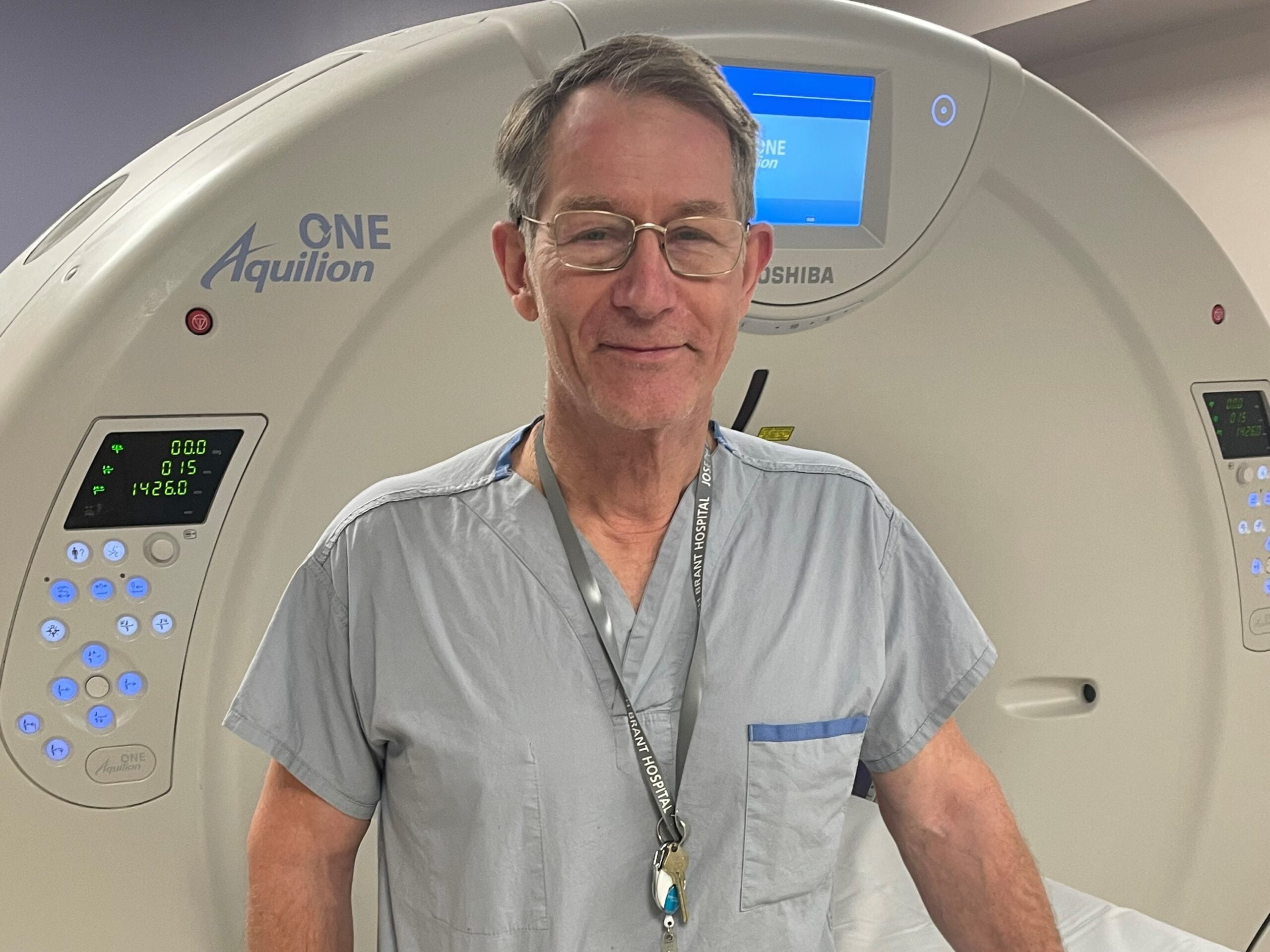
Dr. John Rawlinson

For Dr. John Rawlinson and his fellow radiologists at Joseph Brant Hospital, high-quality imaging equipment is critical.

“On any given day, we’re reviewing CT scans, MRIs and mammograms for patients across the hospital,” he said. “Sometimes the tests are routine, and sometimes they’re an emergency, but they’re always critical to diagnosing and treating our patients. And they often save lives.”

Dr. Rawlinson recalls an example, where a woman came to the Emergency Department (ED) with severe abdominal pain. When her blood work came back normal, a CT scan was performed to determine the cause of the pain.

When one of Dr. Rawlinson’s colleagues reviewed the scan, the quality of the imaging was so detailed that they were able to identify a 4-centimetre section of her bowel where the X-ray dye was not showing up, meaning there was no blood supply. 

“Our teams work very closely together, with the radiologist sharing his findings to the ED doctor. Urgent laparoscopic surgery was performed to restore the blood supply and save the bowel,” he said. “Without the CT Scan and the communication between the teams, the patient would have become very ill, very quickly.”

Every year, Joseph Brant Hospital conducts diagnostic imaging tests on almost 120,000 patients to diagnose illness – including kidney stones, cancerous tumours and diverticulitis – and develop treatment plans for patients.

“I am regularly reviewing the results of the diagnostic imaging tests performed at the hospital,” said Dr. Rawlinson. “I feel very privileged to play such an integral role in the care of our patients and am so grateful that our patients have access to  state-of-the-art imaging technology that our patients need.”


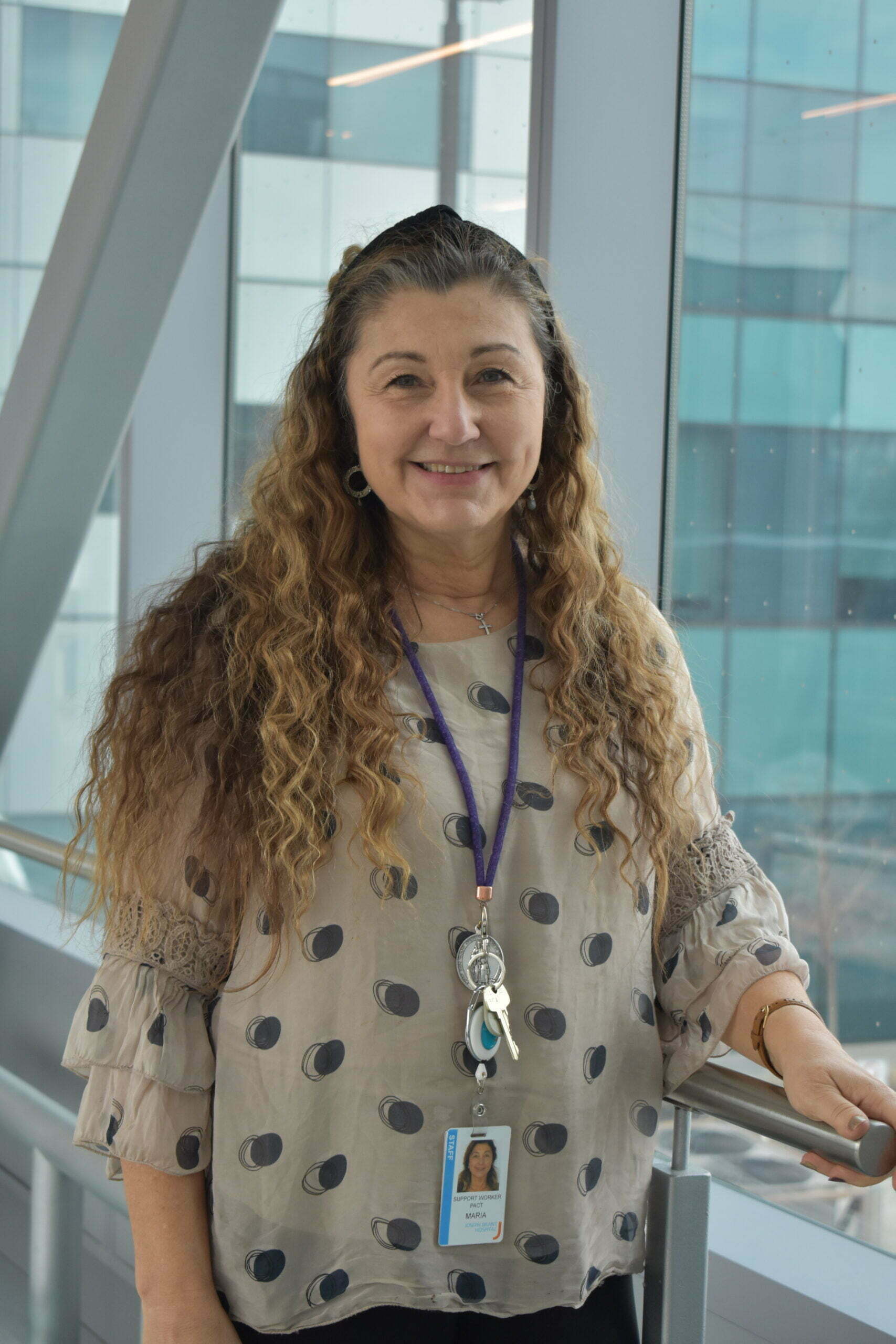
Maria Del Fine

For Maria Del-Fine, working with mental health & addictions patients in the Program of Assertive Community Treatment (PACT) is personal.

Maria completed her degree in sociology, focusing on addictions when she started to recognize some warning signs in herself.

“I started to drink more and more, and started to feel unwell,” she said. “I had to step back and ask for help. I was experiencing suicidal feelings and needed to work on harm reduction.”

For Maria, her drinking was affecting her mental health and reducing the effectiveness of her medication. It was difficult, but she realized she needed to listen to her doctors and realize they were not out to get her.

“I swallowed my pride and knew I needed to make some changes,” she said.

Her experience, and the conflict with her own care team, has ultimately led her to her role as Peer Support Worker at Joseph Brant Hospital. In her role, Maria is able to apply her own experience and be an advocate for the patient.

“I see both worlds, and I’m trying to educate people on the stigma of mental illness,” she said. “We need to treat mental health & addictions as a medical issue, and not a moral issue.”

Maria is an advocate for fluid conversations between patients and clinical staff. She believes in giving patients a voice in their own treatment plan.

In her role, she works with individual patients and groups to share her experience and a representative that “this too shall pass” and working with patients after isolation or seclusion.

“We talk through options for the future and I ask them ‘What is it that you want?’”

For more information about the Mental Health & Addictions Program at Joseph Brant Hospital, visit https://keepcareclosetohome.ca.

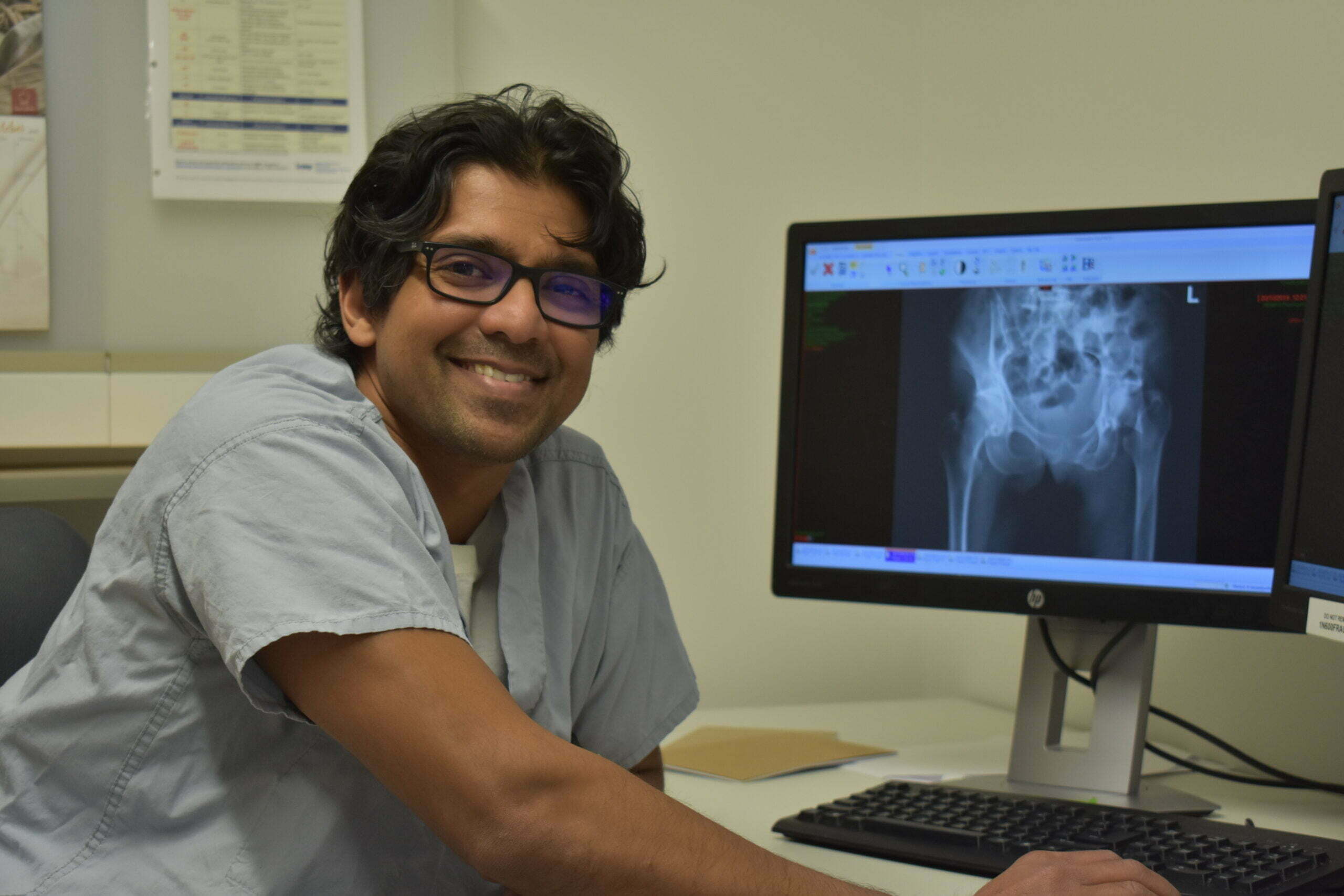
Dr. Ajay Manjoo

For over a decade, Dr. Ajay Manjoo has worked at Joseph Brant Hospital as an Orthopedic Surgeon specializing in trauma and foot surgery.

An orthopedic surgeon deals with diseases of the musculoskeletal system such as traumatic injuries (fractures of the bone, and tears/sprains of tendons, ligaments and muscles), arthritis, and other painful conditions affecting the bone, muscles, ligaments and tendons.

For Dr. Manjoo, the most rewarding part of being an Orthopedic surgeon is seeing the improvement of someone’s quality of life.  “I’ve been a surgeon for more than 10 years and the best part is seeing that you have improved someone’s quality of life” he says. ”There are still days when I wake up and think, I can’t believe I get to do this,” says Dr. Manjoo.

Dr. Manjoo, is very proud of the way Joseph Brant hospital is able to bring cutting edge surgical techniques to the community of Burlington. He has worked very closely with the hospital leadership to be able to offer patients minimally invasive ankle fusions, achilles repairs, and complex fracture repair.

“We have worked hard to offer these services to the Burlington community and we are becoming a centre of excellence for Orthopedic surgery in Ontario. We have strategically grown our team such that we are now capable of doing procedure that in the past has only been performed at University hospitals,” says Dr. Manjoo.

Apart from providing surgical care to patients, Dr. Manjoo is committed to increasing the academic profile of Joseph Brant Hospital. He is an Assistant Professor of Orthopedic Surgery at McMaster University and was recently published in the prestigious New England Journal of Medicine for a study that compared Total Hip Replacement to Hemi-replacement for the treatment of hip fractures.

Dr. Manjoo notes how Orthopedics at Joseph Brant Hospital has evolved to reflect new changes in medicine.

“Foot and ankle surgery has become more minimally invasive using arthroscopy and specialized techniques that allow us to do more complex surgeries with less damage to the soft tissues and with better functional outcomes,” says Dr. Manjoo. “An excellent example of this is how we treat Achilles tendon ruptures. Historically, there has been a high risk of wound complications with this procedure, however with minimally invasive techniques we can now be more aggressive with respect to who we can fix with less complications and better functional results.”

For Dr. Manjoo the best part of working at Joseph Brant hospital is the incredible staff.

“I have never worked at hospital where the staff are so dedicated to helping patients. They go above and beyond to ensure that their patient has a positive experience while they are in their care. What I appreciate the most is that we all have a mutual respect for each others roles in caring for patients. The last two years have been very difficult and have stretched us all to our limits, but the kindness and support that we show each other everyday has really helped us get through it.”

John Dewsnap

John Dewsnap has worked as a Charge Nurse in the Inpatient Mental Health Unit for Joseph Brant Hospital for 20 years.  As the Charge Nurse, John oversees patient flow, supervises nursing staff and monitors the needs of the staff and patients.

John had worked on medical units, long-term care and corrections before coming to Joseph Brant Hospital.

“I feel fortunate that I’ve been able to bring what I’ve learned from the various settings to help me along the way and with my current position,” says John.

Over the years, one of the most memorable moments John remembers was helping a patient who came to their unit after suffering a terrible injury at work.  They were unable to return to their job and suffered many losses because of this.

“I remember sitting with them on several occasions, as they vented and expressed their concerns,” says John.

The team was able to help the patient with medication adjustments and getting connected with support in the community.  “A few years later, they came back to visit us on the unit, to let us know that they were back on their feet and doing well.  They told us that they were very grateful for all the help they got from the staff on the unit, and that they remembered that I let them vent and cry which meant a lot to them,” says John.

Working in the Mental Health & Addictions unit, John has found how incredible the team is.

“The staff are amazing, and we all work together to help people manage their condition.  Whether it be for education surrounding their medications or connecting them with the right resources in the community,” says John.

John notes how the COVID-19 pandemic has made things very difficult for everyone.  Seeing how many people are feeling isolated and lonely, he notes that the Mental Health & Addictions program has grown and been made more accessible for the community.

“Patients that are discharged are able to get follow-up appointments quicker and are better connected to the resources in the community that they need,” says John.  “I would also say thank you to our community and donors because it’s their support and contributions that are helping the hospital continue its mission.”

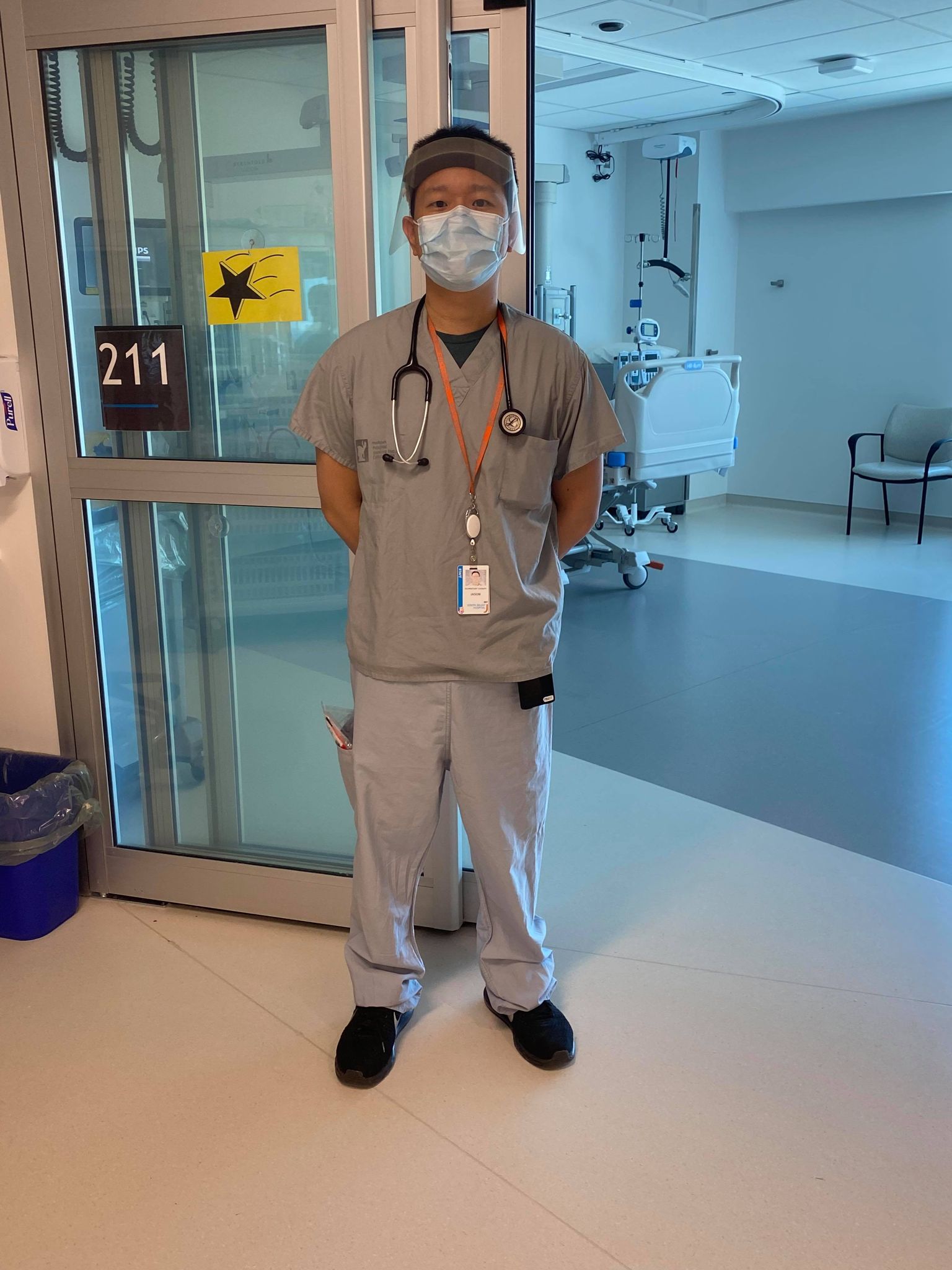
Jason Tieu

“We are trying to prevent patients from ending up in critical care and on a ventilator. We follow patients in respiratory distress and with low oxygen saturations. There are various therapies such as high flow oxygen and bipap that we can use to try and avoid intubation.”

Jason Tieu is a Registered Respiratory Therapist (RRT) at Joseph Brant Hospital for just over three years.  As a RRT at JBH, he takes upon the role of the ICU RRT or the Wards RRT, which covers the Emergency Department, Labour and Delivery, NICU, Paediatrics, Medical and Surgical floors and others. He is also a member of the Code Blue, Code Pink and Critical Care Response Team.

He cares for patients of all ages and in all parts of the hospital.

“We deal with neonates, pediatrics and adults. We can be found at high risk deliveries resuscitating a newborn in the Labour and Delivery Department, receiving a patient from Paramedics with vital signs absent in the Emergency Department, intubating and placing a patient on a ventilator in the ICU and many other areas within the hospital.”

Over the years, Jason speaks on the great learning experiences he’s received from his fellow RRTs, Intensivists, nurses and other JBH colleagues.

“I’ve gained a lot of knowledge over my 3 year career at JBH and especially this past year when dealing with COVID-19 patients we’ve learned new ventilation strategies and procedures when treating this infection.”

Navigating the waves of COVID-19, Jason is proud of how everyone has been able to adapt to the situation and perform their jobs as needed.  Everyone is constantly learning new information, best practices and adapting it to their daily tasks

“The management team in the ICU are doing incredible work with planning and being ready for any type of situation that could arise,” says Jason.

When asked about any particular moments at JBH that stand out to Jason, he explains that there are so many.

“There are many memorable moments at JBH. One moment that sticks out to me happened at the beginning of COVID-19. During the first wave of COVID-19, we had a very sick patient on life support. It took months of hard work to eventually get him off the ventilator where he was able to finally breathe on his own again. One year later, he came back and genuinely thanked all the staff that was part of his care at JBH. It is moments like this that give me hope when dealing with this pandemic.”

With tiring and long working shifts, Jason notes that even the smallest gifts cheer him up.

“I have to say thank you to the donors and the community. When you’re finally done a very long shift and you see thank you cards, letters, small gifts or gestures- it’s seeing those words of thanks that makes me reflect on what I’m doing and what it means to families in my community.”

Rusiri Herath

For the past four years, Rusiri Herath has been working in the inpatient Mental Health Unit at Joseph Brant Hospital.  In her current role as Charge Nurse, she recognizes the importance of being a resource for her colleagues.

“It’s important in mental health that we are able to support not just our patients but our colleagues as well.”

During her time at JBH, Rusiri has seen how much our Mental Health program has evolved and become an incredible environment adapting to new developments in Mental Health care.

“I always learn new things from my patients and what we need to be more aware of,” she says. “Our job isn’t just centered around medication.  We’re building rapport with our patients daily and talking to them about their illness and focusing on their overall well-being.  We focus on the person, not the illness.”

Rusiri and the team are seeing the impacts of COVID-19 on their clients with social isolation and the added precautions. She stresses how it’s important to seek help, and the team at JBH is working every day to break the stigma and support the community with programs and understanding.

“We truly care about our patients.  They come to us in a difficult part in their life, and we motivate and help them thrive and get control of their life.  When we see their progress and see them leave, it’s rewarding to know we’ve helped someone in our community,” says Rusiri.

Noting also how appreciative she is of the community and donors, she adds, “Without the community, our organization wouldn’t be able to provide the level of care our patients deserve.  Contributions are what allows us to provide exemplary care to our patients.”

Rusiri talks about the feeling of community at JBH and the kindness that lives there. “It doesn’t matter who you are, everyone is welcoming and polite with smiles on their faces. It really changes your outlook when you work in that kind of environment.  When you come to JBH that’s who you evolve into, you become a better person.”

Melissa Peters

Over her 20 years as a Labour and Delivery nurse at Joseph Brant Hospital, Melissa Peters has been there for many of life’s most incredible moments.

“I counted every delivery I was part of at the beginning, but I stopped when I hit 1,000 which was in 2004,” she said.

And of course, there are some families and birth stories that stick out, including a family who had nine children, all at JBH, and Melissa was there for three of them.

But nothing as memorable as delivering a baby in the parking lot.

“We received a call from a volunteer that someone was delivering in the parking lot, and the physician on call was performing surgery,” Melissa said.

She ran down with her care partner Tanya to determine how they could help, but they couldn’t locate the mom. Finally, they saw a man beside a van and asked him if they knew where they were needed.

“He said it was his wife, and pointed to the van,” she said. “When we opened the door the baby was already crowning, and we ended up delivering in the van before taking mom and baby upstairs to L&D.”

For Melissa, the team at JBH, and the Labour and Delivery Unit specifically, is incredibly special.

“We have an amazing team. I can’t say enough about them… we all work so well together. Everyday I’m so thankful I work where I do.”

And while Melissa and the entire L&D team wait for the redevelopment of the unit, they continue to provide compassionate care to our community in the moments that matter most.

“We’re so lucky to have Joseph Brant Hospital in our community,” she said.

Sarah Greer

Sarah Greer has been a Registered Nurse in the Labour and Delivery Unit at Joseph Brant Hospital for over two and half years. She has had the opportunity to care for moms and their families during labour.

“Being a Registered Nurse in the Labour and Delivery Unit is such a unique role because you get to work with moms and babies,” says Sarah. “I love that Labour and Delivery is a family focused area in healthcare. Being an RN and supporting moms through their delivery is an incredible moment and it’s so extraordinary to be a part of that.”

JBH is a special place for Sarah as she talks about the dedicated physicians, nurses and staff at our community hospital.

“You are working collectively with your team to develop individualized care plans for your patients and continuously learning through that process” says Sarah. “Providing compassionate and empathetic care to our patients and families is important to our department”

Sarah notes that the COVID-19 pandemic has not only affected the team but also the families they support.

“Deliveries can be very big events, but with new protocols and policies, adjustments have been made,” comments Sarah. “I know the pandemic has changed a lot of experiences for patients.  We understand that every patient has a unique situation, and we work as a team to make sure we are always there for them. They are our priority.”

For Sarah, Labour and Delivery is a cherished unit in the hospital.

“Everyone who works in our department has a great passion for women and their families, and there are other units like NICU, Postpartum, Paediatrics and so many others that play a vital part for our patients and ultimately for our community,” says Sarah. “We’re so thankful for the support of the community because we get to make a difference for our patients. When we have the resources to make a patient’s experience positive, we are enriching our community.”

Dr. Alim Nagji

“Emergency Medicine is life or death sometimes.”

At Joseph Brant Hospital, under the leadership of Dr. Alim Nagji, weekly critical simulation scenarios ranging from sick children to traumas help improve the critical communication within teams and so staff are prepared for these scenarios in real life.

Dr. Nagji has worked as an Emergency Doctor at Joseph Brant Hospital for the past five years. In addition, Dr. Nagji is an Assistant Clinical Professor at McMaster University, Director of Simulation Learning and the Director of Clinical Teaching Unit at Joseph Brant Hospital and is the Simulation Lead at Joseph Brant Hospital Mac-Care.

Dr. Nagji and his colleagues have grown the Simulation Unit to help learners, residents, and doctors learn more about Emergency Medicine.  The use of simulation learning is for students, clinicians and trainees to practice critical scenarios with their team in a variety of environments.

“We support other programs and departments with simulations and aid them in training and development,” says Dr. Nagji. “We’re getting them prepared for the real life, worst case scenario.”

Over the last year, Dr. Nagji and his colleagues have had to redesign the learning involvement because of the COVID-19 pandemic.

“We create their curriculums and make sure they are supported along the way while they learn,” says Dr. Nagji. “Because of COVID-19 we’ve adopted virtual teaching and finding that balance of experiences for students.  We’ve had to think of innovative ways to give them that experience.”

Dr. Nagji believes the pandemic has put a strain on the healthcare system and has affected the community not just physically but mentally.

“The community has rallied together to support the Hospital, and our Hospital has put in the work to help our community.  The greatest accomplishment at JBH is how we come together and work toward a better future,” says Dr. Nagji, “I thank donors who see the value in donating to their community Hospital.  JBH is a space for innovation and their donations go toward the equipment we need and advances our education to provide high-level care.”

Moreover, Dr. Nagji not only appreciates the support from donors and the community but reflects on the teams at JBH.  “The support from the senior leadership team at JBH is incredible. You see the amount of energy and effort made in their investment of their staff.  We have the support from so many people at the Hospital, and our programs are supported.  To be able to do this at a community Hospital is a source of pride and inspiration and not only do you feel the support from your colleagues but also the community.”