Ken’s Story

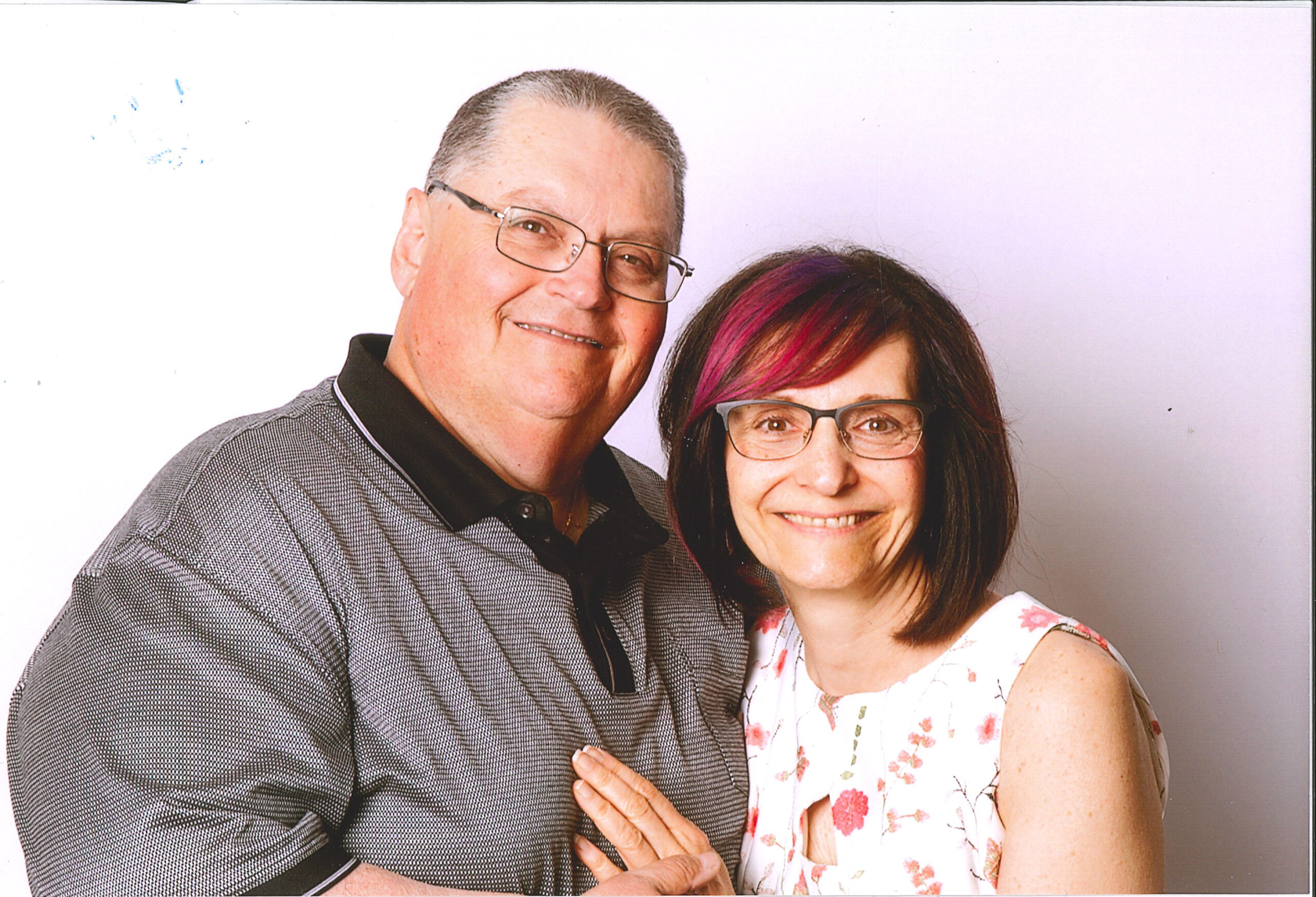
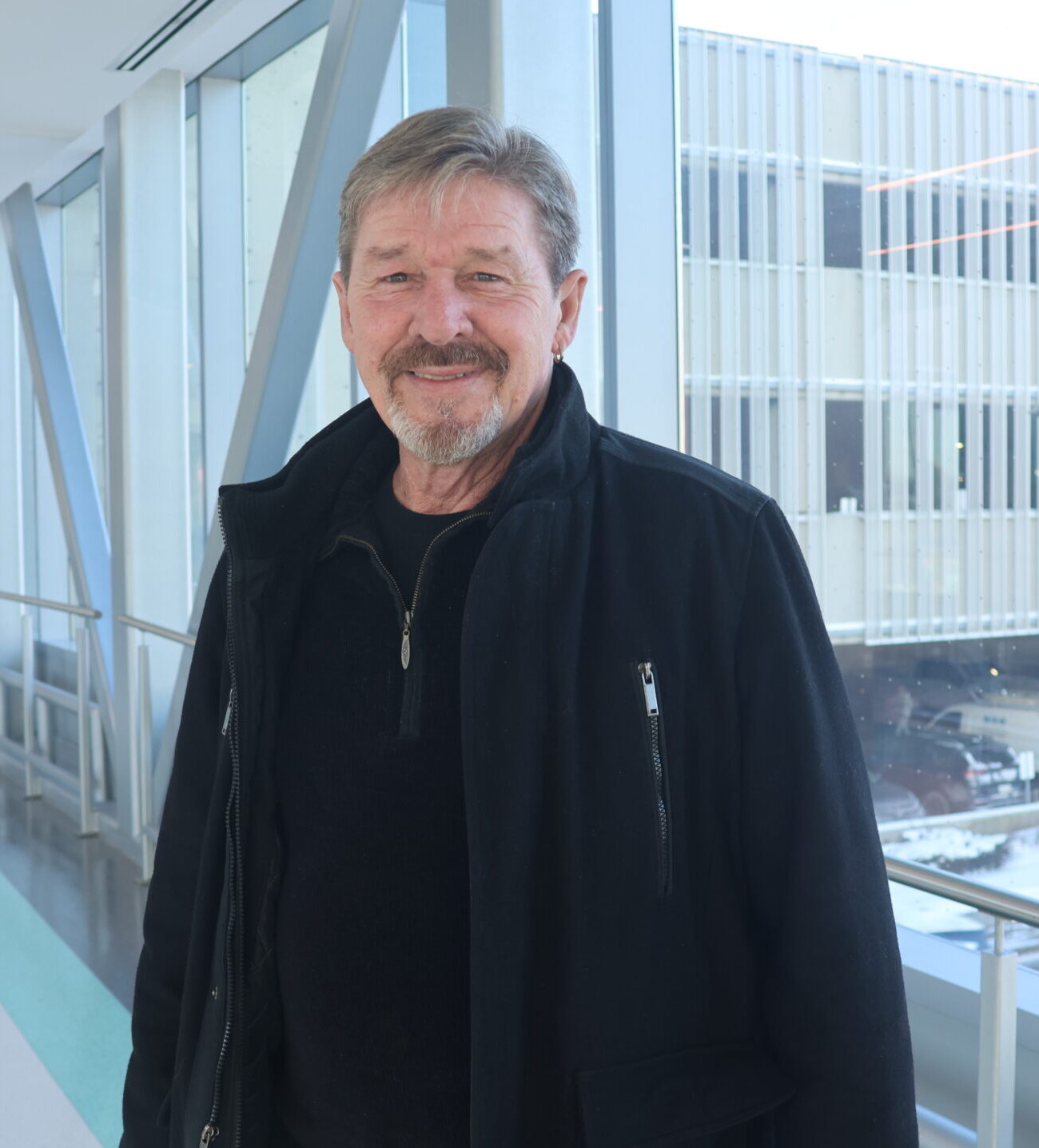
Ken has always lived life at full speed. A lifelong adventurer, he spent his career in physically demanding jobs and far-flung places including oil rigs in the Arctic, and gold mines in Guyana and construction in Yemen. Along the way came injuries, accidents, and more than 40 broken bones. “Memories do not make themselves, I’ve had a good run,” he says. “No regrets.”

At twenty years old, Ken faced his first major health battle when he was diagnosed with testicular and urinary tract cancer and treated with operations and experimental chemotherapy. It wasn’t until forty years later that he would learn that only half his heart had been working properly—his right coronary artery was completely shut down due to a gangrene infection between chemo visits. Even then, Ken felt well and stayed active, unaware of how serious the situation truly was.

Many years later, after a lifetime of wear and tear, Ken’s knee demanded attention. Multiple fractures and old injuries had left it bone on bone, making everyday movement painful. Like many people, he tried to push through it for as long as he could, adjusting his routine and delaying surgery out of concern for potential complications from infection.

When a close friend had a strong recovery from knee surgery, Ken was inspired to take action for his own knee issues and was referred to Joseph Brant Hospital and orthopedic surgeon, Dr. Jaroszynski. The care plan was thoughtful and cautious from the start, focusing first on non-surgical options, such as a scope to clear scar tissue. When the pain returned several years later, Ken didn’t hesitate to return. By then, he had complete trust in his care team at Joseph Brant Hospital.

“I felt comfortable. I felt safe,” he says. “I knew they were on their game and if anything came up, they could handle it.”

That trust proved critical. Ken’s care team noticed a heart anomaly. Although Ken felt fine, they kept him in hospital a few extra days after surgery to be safe. As he was preparing for discharge, his heart began shutting down. He was having a heart attack—without symptoms. Because of the team’s vigilance and seamless communication, the problem was identified immediately, and Ken was stabilized and transferred to the appropriate cardiac specialists.

“If I had gone anywhere else, I’m not sure I would’ve had the same level of attention,” Ken reflects. “I could’ve been driving when that happened. I might not be here today.”

Ken says he wouldn’t go anywhere else but Joseph Brant Hospital, and he knows the 22-minute drive from his home in Jordan station well.

From Emergency care to volunteers offering guidance, he’s consistently felt supported. Volunteers are always ready to help, and care teams consistently take the time to explain what’s happening every step of the way. In conversations with other patients, he’s heard the same thing again and again: no one is left wondering what comes next. “Education takes away fear,” Ken says. “When you understand what’s happening, you can handle it.”

Having worked in team-based environments his entire career, Ken is quick to recognize excellence when he sees it. “I know what it takes for teamwork to function well,” he says. “When you see how well the teams at Joseph Brant work together, how can anything go wrong?”
Wynne’s Story

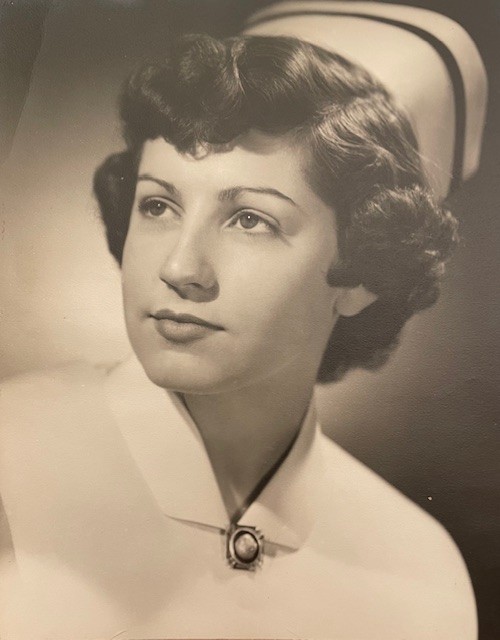
For the Stewart family, Joseph Brant Hospital has never been just a place to receive care. It has been a workplace, a constant presence through life’s milestones, and a source of comfort during some of their most difficult moments. Their connection spans generations—and at the heart of it is their mother, Winifred Stewart, whose career and values left a lasting imprint on both her family and the hospital she loved.


Wynne began her nursing career in Hamilton before finding her professional home at Joseph Brant Hospital. Nursing was not simply her job—it was her calling. She loved the night shift, thrived in fast-paced environments, and had a deep passion for patient care. “She was a nighthawk,” her son Jim recalls. “She loved the work, the challenge, and the people.”

After taking time away when her children were young, Wynne returned to nursing in the late 1970s, recertifying and stepping back into hospital life during a period of rapid change. She worked as a float nurse before settling into overnight shifts—her favourite—and was among the early nurses trained on new ventilator technology as the ICU evolved. She later transferred to the Emergency Department, where her calm leadership, decisiveness, and compassion made her a trusted presence for patients and colleagues alike.

“Nursing was just part of who she was,” says her daughter Jennifer. “Whether she was at work or at home, she was always helping people.”

Joseph Brant Hospital was also where the Stewart family returned many times over the years for care. Jennifer’s own children were born at Joseph Brant Hospital—another reflection of the family’s deep trust in the hospital across generations.

As Wynne and her husband Jim aged, the hospital became even more central to the family’s life. When Jim suffered each of his two heart attacks, the quality of care stood out immediately—especially the compassion shown by nurses who knew Wynne from her years on staff.

The care both parents received in their final stages of life left a lasting impression on the entire family. “The doctors and nurses in palliative care were genuine angels,” their son Jim says. “The care was outstanding.”

Wynne was immensely proud of that level of care. A lifelong volunteer and community builder, she believed deeply in giving back and supporting institutions that serve others.

In honour of their mother’s legacy and the exceptional care their family received over decades, all of Wynne and Jim’s children – Dave, Jim, Bill and Jennifer made a Gift of Gratitude to the Joseph Brant Hospital Foundation. Their gift recognizes not only outstanding medical care but also the empathy and humanity that defined their experience.

Their children wanted to express their deep appreciation with the donation. In their words, “Joseph Brant Hospital has been part of our lives for generations. Our gift honours mom, her career, and the people who cared for her and our father like one of their own.”

For the Stewart family, the Gift of Gratitude is a tribute to a remarkable nurse, a mother and father’s legacy of four children, nine grandchildren and eleven great-grandchildren, and a hospital where care is delivered with excellence and heart.


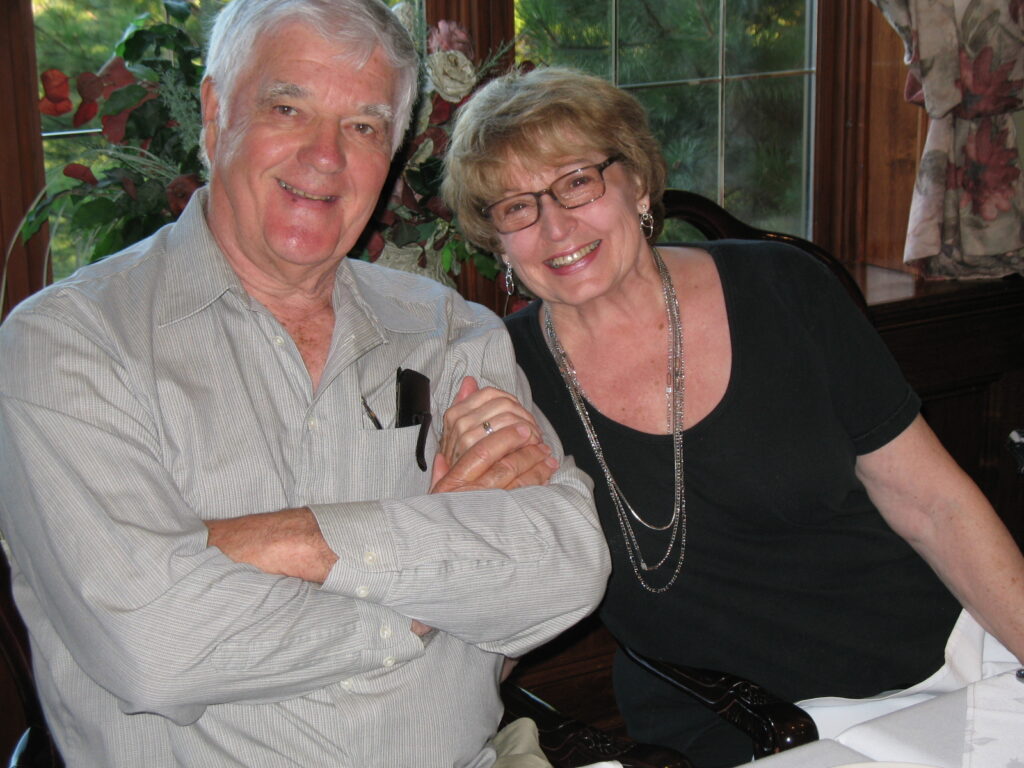
Jim and Wynne

Doug & Jodi’s Story

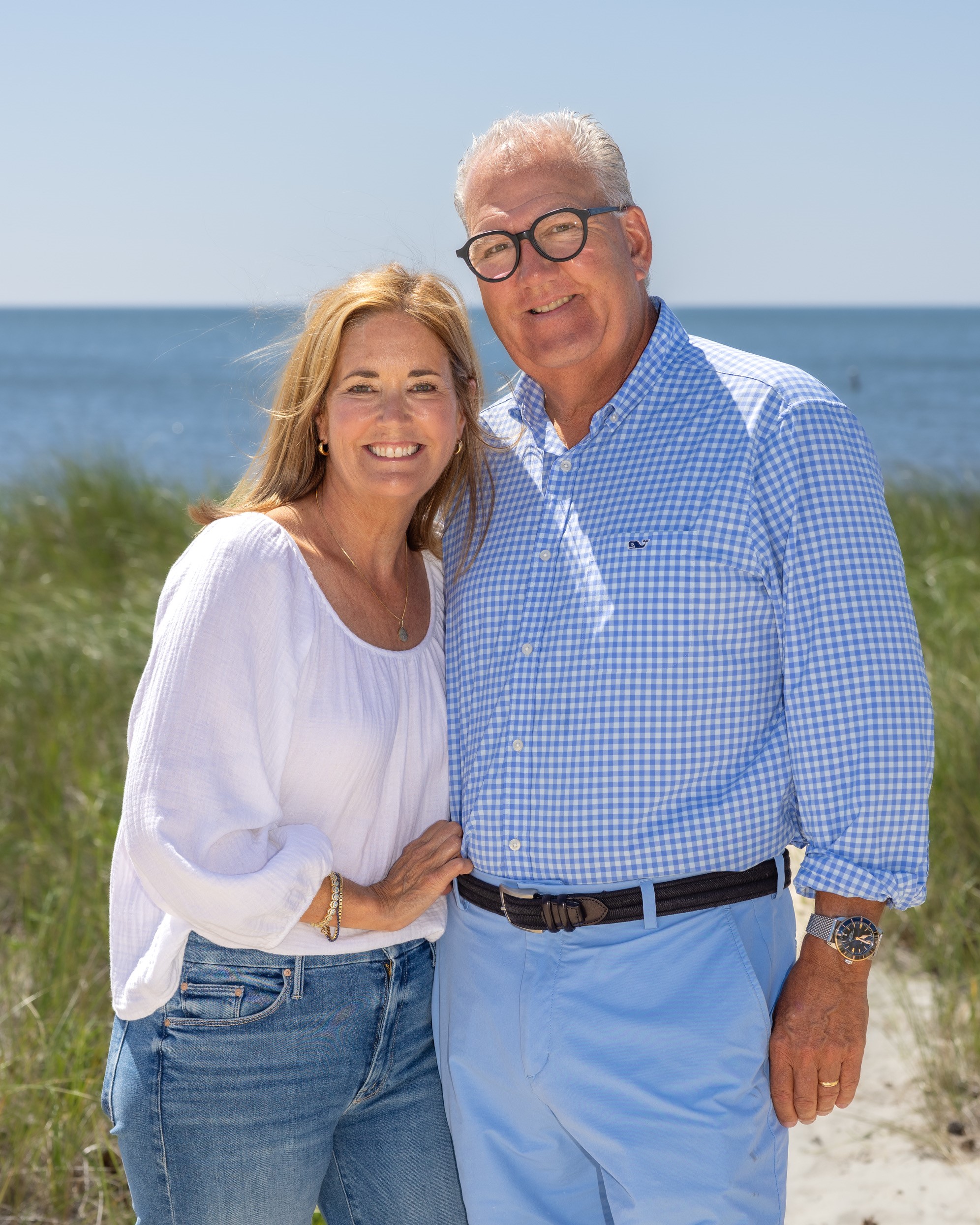
Doug and Jodi Harrison know the value of community. For them, giving back isn’t just a gesture — it’s about bettering the place they call home. Joseph Brant Hospital has been a cornerstone for their family—from the birth of their daughter to caring for the everyday bumps, scrapes, and broken bones that come with raising children. Their connection runs even deeper today, with their son and daughter-in-law proudly serving as healthcare professionals.

“The care we’ve received has always been outstanding,” says Doug. “We’re so fortunate to have a hospital like Joseph Brant right here in our community.”

Their commitment to the hospital goes beyond gratitude. Over the years, they’ve supported the hospital in annual campaigns and with initiatives like Artscape, a 2021 event that raised $35,000 for mental health services and a new MRI machine. “That project showed how powerful it is when people come together,” Jodi says. “You could see exactly where the money went — the equipment, the programs, the care. Your money is going to something real, and you can see the results.”

Inspired to make a lasting difference, the Harrisons decided to make a legacy gift to the Joseph Brant Hospital Foundation — a way to ensure future generations have access to the same exceptional care their family has relied on.

“Legacy giving allows the hospital to plan for the future,” explains Jodi. “It’s ongoing support that helps meet changing needs — whether that’s new technology, mental health services, or more specialized care.”

Doug adds, “We’re lucky to have such excellent healthcare close to home, but we all share in the responsibility to help it grow. A healthy community is a strong community.”

When asked what they’d say to others considering a legacy gift, the Harrisons encourage everyone to think about what matters most. “For us, that’s healthcare,” says Doug. “Supporting the hospital means helping our neighbours and our families. We’ve chosen to make Burlington our home, and we want to help keep it a healthy one for generations to come.”

Rajni and Surekha Paun

For Rajni Paun, donating to the Joseph Brant Hospital Foundation was a way to honour three very important people in his life while supporting healthcare close to home.

“This donation is made in memory of my late wife Aruna, and my parents Jagjivan and Kantaben,” said Raj. “My wife, Surekha (Sulu) and I want to keep their memories alive and also help people as they had done in their life.”

After receiving her education in Uganda, India, and Canada, Aruna qualified for an MSc. in Home Science and later went to the University of Manitoba to qualify as a Family Studies teacher. She wrote a vegetarian cookbook which became very popular and was reprinted twice in Canada.

“Aruna was diagnosed with Progressive Supranuclear Palsy (PSP), a rare neurological disorder, and she passed away after a very lengthy sickness in 2009,” said Raj.

Raj’s father, Jagjivan was born in India to a poor family, with three brothers and two sisters. Despite enormous financial difficulties, he studied humanity and law at Bombay University and qualified as a BA LLB. He moved to Uganda in 1939, choosing not to practice law but working as a large industrial firm manager.

“He was a strong believer in education and uplifting living standards of friends and family since he had gone through difficult times in educating himself,” said Raj. “He understood the importance of educating the younger generation and worked hard to uplift the lives of the people he came across.”

Through hard work, he managed to bring four uncles, two cousins and one aunt to Uganda and settle them. His cousins went on to become a Pharmacist in the United Kingdom, while the other was a gynaecologist in the United States.

“He was a very kind and giving soul and was a trustee of the Post Secondary Education Trust fund,” said Raj. “He particularly helped and played a major role in helping hundreds of students to go to universities and colleges, and many of these students are doctors, engineers, pharmacists etc.”

Raj’s mother, Kantaben, grew up as an orphan and lived in a girl’s boarding school in India. During her life, she was very active in the charitable women’s society in our hometown in Uganda, always willing to help those who needed help.

“She was a kind soul who was always taking care of the family while giving back,” said Raj. “She was warm-hearted and always looking out for others.”

Raj remembers when his mother had a stroke in India, and he had to take her to the hospital with his brother in the back of a truck as there was no ambulance service.

For Raj and Sulu, this memory is a driving force in their decision to support healthcare and their gift to support Joseph Brant Hospital was a meaningful way to honour these incredible individuals and make a difference in the lives of others in their community

Susan and Jeff Moore

For us, supporting our local hospital is critically important,” says Jeff and Susan Moore. “The path to a successful town, city, and country starts with the foundation of exemplary healthcare and strong educational systems, and everything follows from there.”

And they have always appreciated the exemplary care received at Joseph Brant Hospital. Two of their three children were born at JBH, and as Burlington residents, they take great pride in their community hospital.


Susan served on the JBH Foundation Board of Directors, and sat on the Our New Era campaign cabinet for the redevelopment and expansion of the hospital. In addition to her volunteer work, Susan and Jeff have been longstanding donors to the Foundation, most recently making a gift in support of the Mental Health & Addictions (MHA) program.

For the Moore’s, it was about making a difference to an issue that many in our community are facing.

“Everyone has had mental health hit close to home,” says Jeff. “That’s where we felt like we could really make a difference.”

For Susan, their support of the MHA, and specifically Prioritizing Health through Acute Stabilization and Transition (PHAST) and Child and Adolescent Psychiatric Services (CAPS), is helping JBH provide the care and compassion that people need to help them heal.

“I don’t know anyone that hasn’t had a family member struggle with a mental health issue at some point in their lives” she says. “Our family is no exception and so much of it is invisible. Getting the right care through supportive programs, in a facility that can provide compassionate state of the art care, should be no different than treating physical health issues.”

For the Moore family, being able to provide high-quality care in a dignified, healing space goes hand in hand to promote wellbeing.

“I would say ultimately the goal is to provide care in a space  that is happy, uplifting and safe, both for the patients and staff.” says Susan.

Frank and Carol Tristani

For Frank and Carol Tristani, charitable giving has always been a passion, with a particular focus on making things better for people.

“We’ve always been passionate about healthcare and education,” says Carol. “It’s about caring about people.”

And for Frank and Carol, making a gift to the hospital in their estate was an easy way to leave a legacy of support.

“We live in this community and we talked about making a legacy gift to the hospital and decided the best time to do it was when we can do it together,” says Carol. “It was important that we had an open dialogue so that we both knew what we wanted to support and what we wanted our legacy to look like.”

With their bequest established and supporting priorities that resonates with them, the Tristani’s also wanted to make a gift that would benefit the hospital and the community sooner, and bridge their interest in healthcare and education.

The Frank and Carol Tristani Education Awards will provide eligible nurses, registered medical radiation technologists, or imaging technologists with a bursary to continue their professional development.

“We want to look more to what we’re doing in the future, not the past,” says Frank. “Hopefully whoever uses these scholarships are setting themselves up for the future.”

The impact that will be achieved through these awards will help staff achieve their personal goals while also having a direct and immediate impact on patient care.

Kirk Tilley and Jane Travers

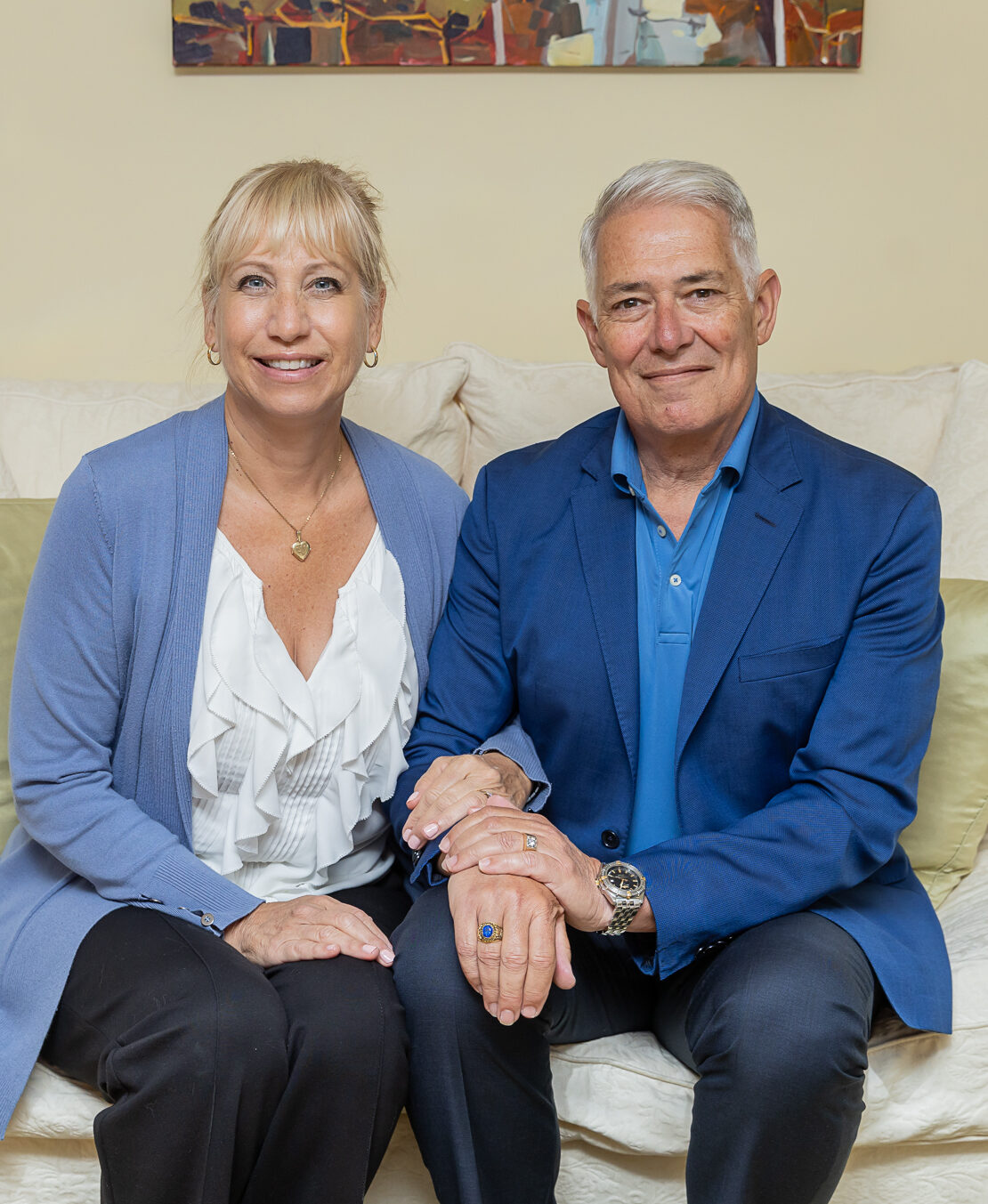
Joseph Brant Hospital holds a lot of personal memories and meaning for donors, Kirk Tilley and Jane Travers.  Donating to the Joseph Brant Hospital Foundation was an easy decision, and one that continues to be important to them.

“We’d be crazy not to renew our pledge.  We’ve been involved in the hospital through our own experience but also through family and circumstances.  Not only is the hospital an important part of our community, it also holds a lot of meaning for both of us personally,” says Kirk.

For Jane, Joseph Brant Hospital holds a lot of cherished memories, specifically involving her mother.

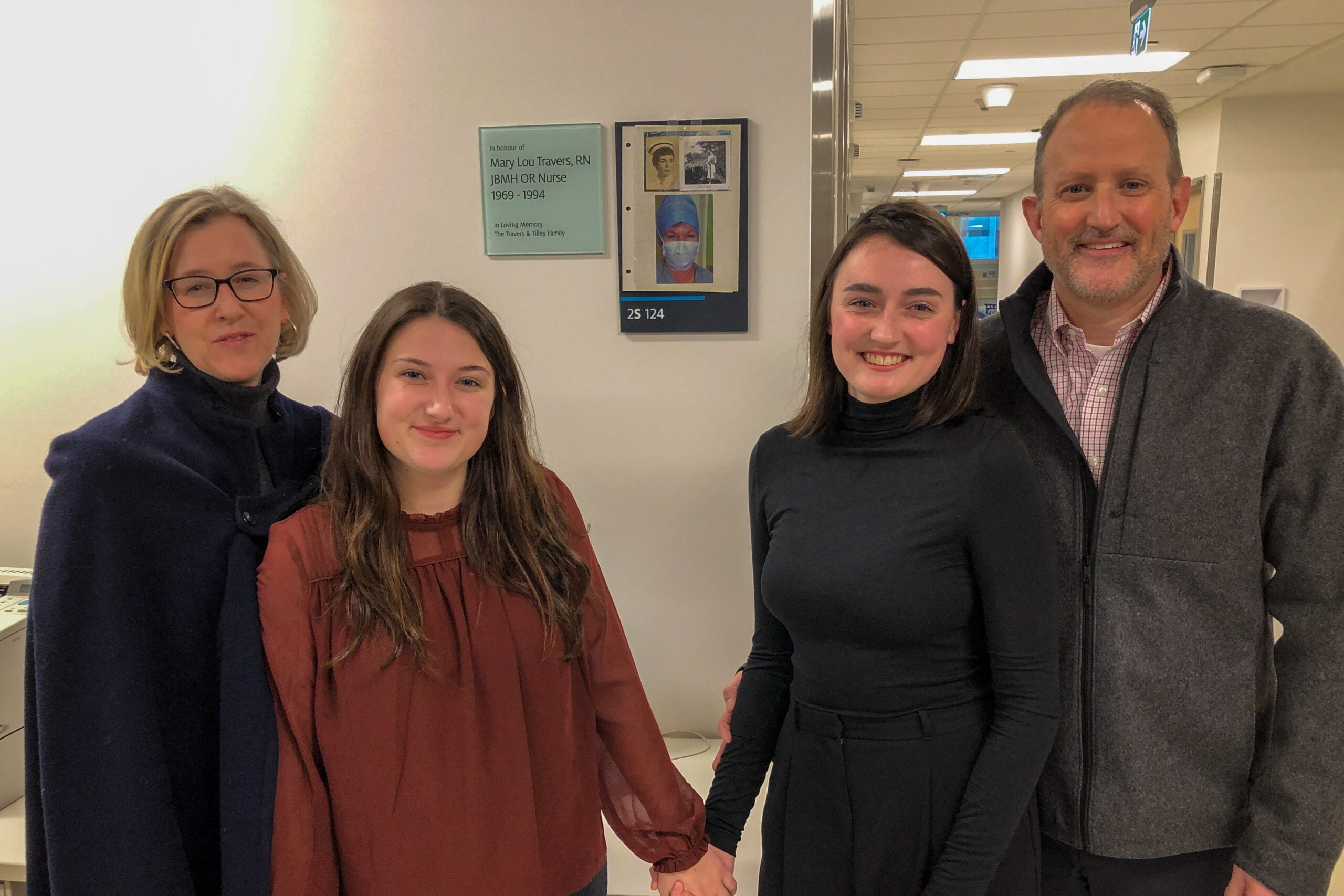
Having recently moved to the Burlington community in 1967, Jane’s mother Mary Lou Travers spent 25 years, from 1969 to 1994, as an Operating Room (OR) Nurse at JBH.

“My mother was a remarkable ambassador for the hospital as a care giver, surgical team member and peer.  She impacted many people with her care, and this included patients, doctors, nurses, and support staff.  She wanted the patients from the community to have the best possible experience, and it was important to her to be supportive of her peers as well,” says Jane.

Unfortunately, Mary Lou passed away when she was 56 years old from an aneurysm.  “When my mother passed, I remember people in my community, especially colleagues and former patients, sharing stories about her and how much she touched the lives of so many,” says Jane.  “My mother loved the hospital and was proud of how it helped those in her community.  It meant so much to her.”

Jane wanted to honour Mary Lou by supporting JBH and leave a legacy at a place that holds special meaning to her and the Travers family.  Kirk, like Jane, wanted to support the hospital in some capacity as a result of care he received.

Over 30 years ago, as he and Jane were preparing for their wedding, Kirk found himself not feeling well, and no one could seem to figure out what was wrong.  Mary Lou wanted him to see one of the doctors at Joe Brant.  A short time later, Kirk was admitted to the hospital and met with Dr. Sydney Gee.

“She was unbelievable.  She knew something was wrong and instructed for multiple tests to be run – that day.  She and all the doctors wanted to get to the bottom of it,” recalls Kirk.

“None of the test were conclusive, even the biopsies were coming back normal. Another biopsy was set up to be done in the OR and they did not give up until they found what they were looking for.  Coming out of the surgery, the mystery was solved.  I had, at the time, a rare form of non-Hodgkin’s lymphoma.”

Kirk spent 8 months in the oncology clinic and was taken aback by the incredible care he received.

“The culture of the hospital was and still is incredible.  Everyone involved ensured that I was cared for, I can’t speak enough for how compassionate each and every staff member was,” remembers Kirk.

Today, Jane and Kirk continue to have high hopes for JBH and want to see the hospital continue to sustain its compassionate and caring culture.

“JBH is a landmark here in Burlington.  It’s something that is there for the community, and it’s important that in anyone’s time of need, they have a place to go to.  I hope hospital’s longevity keeps going and provides a warm and welcoming space for their staff and community,” says Kirk.

“How fortunate are we to have a hospital in Burlington that continues to build it’s legacy through incredible expertise, compassionate care, utilizing advanced technology, and always looking to the future, and it is right here in the heart of our community and available to all of us,” says Jane.

TD Bank Group

As we continue to live with the impacts of a global pandemic, we are still facing disruptions in our daily lives. We are searching for a new normal, and while we have all been affected, nobody has felt this more than the children.

Studies have shown that in the last year, more than 50% of children and adolescents have reported clinically significant depressive symptoms.

Children and adolescents have often been overlooked and underserved when it comes to the treatment of mental illness and the pandemic has greatly increased an already urgent need for early intervention and continuity of care throughout a child and adolescent’s care.

However, thanks to the generous support of donors like TD Bank Group, our Child and Adolescent Psychiatric (CAP) program has been there to provide youth, like Lindsay, with the right care at the right time.

Lindsay was struggling with asking for help.

“I come from a family that was always competitive, and wanting to be the best at whatever I did,” she said. “It always felt like there was no time to not be okay.”

When Lindsay was in her first year at Western University, she started to experience anxiety. She was living away from home for the first time and ended up leaving after her second year, feeling very alone and embarrassed to reach out.

“I thought I could push through whatever I was feeling,” she said.

Two years later, she felt like she was to the point that there was no passion or drive left. After a breakup with her boyfriend, and her first year not competing in competitive cheer after 18 years, it became too much to deal with.

“From then it was a continuous battle of many fights with my mom and built-up anger with my whole life to be breaking down,” she said. “The day I called my doctor and balled my eyes out was the first time I felt relief. She explained I was not alone in all the feelings I had.”

After undergoing treatment, Lindsay is the happiest she has ever been.

“I am so grateful for the hard times looking back because it only made me stronger and have a way more positive outlook on life and am a big mental health advocate,” she said. “I still deal with anxiety today, but now I know how to deal with it and how to better myself instead of going down a dark hole again.”

Through the TD Ready Commitment, the Bank’s corporate citizenship platform, TD is committed to supporting innovative solutions like the CAP Program that are working to improve adolescent health and helping create more equitable outcomes for all.

Over the past eight years, the CAP Program has seen a 400% increase in referrals, while providing a significant reduction in wait times. Prior to the pandemic, the CAP Program achieved zero wait time for appointments with a child and adolescent psychiatrist, nurse and social worker, down from 52 days in 2013.

The impact on children and adolescents has been particularly hard during the pandemic and, as a result, the CAP Program referrals have increased exponentially over the past 18 months. Loss of control, feelings of uncertainty, and changes to routine are contributing to symptoms of anxiety, low mood, adjustment disorders, eating disorders, and parent-child relational problems.

The Joseph Brant Hospital Foundation is incredibly grateful to TD for their generosity in supporting leading practice healthcare in our community.

With their outstanding support, Joseph Brant Hospital will continue to deliver on our vision to provide compassionate care and exemplary service, every time for the youth and families in our community.

Christina and Ann

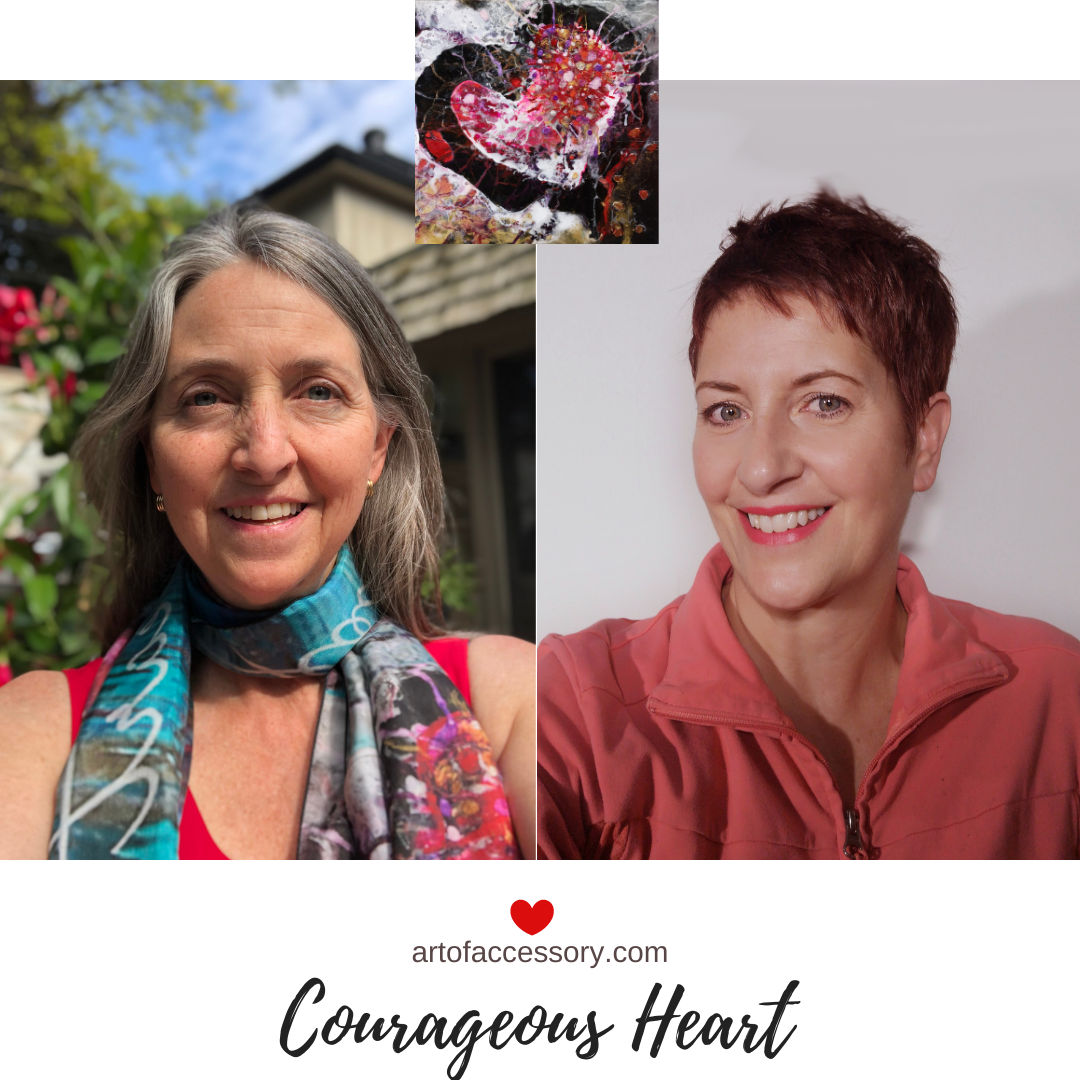
For sisters Christina Koli and Ann Legere, family and art are two of life’s treasures, and with their fashion accessory company Art Of Accessory (AOA), they have been able to combine the two.

“Starting an art-based business together is something we have always wanted to do, and the pandemic gave us the opportunity to do it,” said Ann.

Christina lives in Burlington with her husband, son and their golden retriever. When the pandemic began last year, she found herself off work and homeschooling her son.

It was her love for painting and her need for creating that led to the development of small ‘tiny gems’ paintings, which were more manageable to fit into her busy days. She painted flowers inspired by her daily walks and then heart paintings while thinking of all the frontline workers.

“I wanted to donate a painting to be printed and given as thank you cards to all the essential workers at JBH,” Christina says.

‘Magical Heart’ was the first of a series of paintings. ‘Courageous Heart’ and ‘Covid Blues’ paintings were later used on cards for the hospital.

Later in the year, Christina and Ann, who lives in Toronto with her husband, daughter and two sons, (when they are not away at school), launched Art of Accessory.

“It’s all very exciting and new, with so much to learn.” says Ann. “Christina and I have a very close relationship, and AOA gives us a chance to connect several times a day, which has been especially nice through this pandemic.”

The ‘Courageous Heart’ painting, inspired by the dedication of the frontline workers during COVID-19, was used in the design of silk scarves that were available for purchase, with proceeds going to support the hospital’s COVID-19 response. For the sisters, it was a small token of appreciation to the frontline staff.

“Our fundraiser grew out of the relationship developed from reaching out with the idea for the ‘thank you’ cards, and we thank JBH for allowing us to be actively involved with the hospital during these difficult times,” says Christina.

You can see their full line of accessories available at https://www.artofaccessory.com/.

Rose Ryan

“When I was 28, something happened to me that not only scared me but changed my life,” says Rose Ryan.  “I was diagnosed with cancer.”

Rose was experiencing some symptoms and had gone to Joseph Brant Hospital where she was referred to Dr. Gee. They ran some tests and the results showed that Rose had a tumor in her thymus.  Shortly after, Rose underwent more tests and surgery was scheduled.

“The staff at the hospital were incredible, efficient and mapped out the next steps in my treatment,” says Rose.
Soon after her diagnosis, she received her first chemotherapy treatment as an inpatient, which she continued to receive as an outpatient every three weeks for six months.

“I remember those hospital visits vividly.  I cannot say enough about the staff at the hospital, and I will never forget the people who changed my life.  I still remember every nurse, social worker, hospital staff, and doctor who helped me during this difficult time,” says Rose.

Rose discusses how the staff went above and beyond to ensure that she was cared for and every Hospital visit made her feel like she was at home.  “Not only did I receive such exceptional care, but I also witnessed the staff interact with other patients and saw how they truly cared for all of us,” says Rose.

Today, Rose cherishes every moment with her family.  “As I watch my children grow and think about their endless possibilities, I thank Joseph Brant Hospital for giving me care and the courage to persevere,” says Rose.

After receiving her diagnosis, Rose started about thinking about her husband and the importance of having her affairs in order.  “I wanted to make sure our family was supported.  I thought about what my children may face in their future, and I wanted to ensure that I could help them,” says Rose.

Not only did Rose think about her immediate family, but she also thought about the families in her community.

“At one point or another, we will all know someone who needs to use the services of the hospital.  And that was why I decided to give my support to a hospital that took care of me during a trying time through a gift in my will,” says Rose.

Legacy gifts ensure that Joseph Brant Hospital continues to be there for the community in the moments that matter by providing quality care.  Rose explains, “Legacy gifts make a profound impact on the future of our healthcare.  The future of Joseph Brant Hospital is filled with so many possibilities, and I believe it’s important that we support one another so our community can continue to thrive.”

For Rose, her legacy will be that she was able to give a gift to Joseph Brant Hospital that will allow them to continue to provide exceptional care in a well-equipped facility.

“No matter the amount, your gift is impacting healthcare close to home and is benefiting the families in your community, and for the future generations,” says Rose.