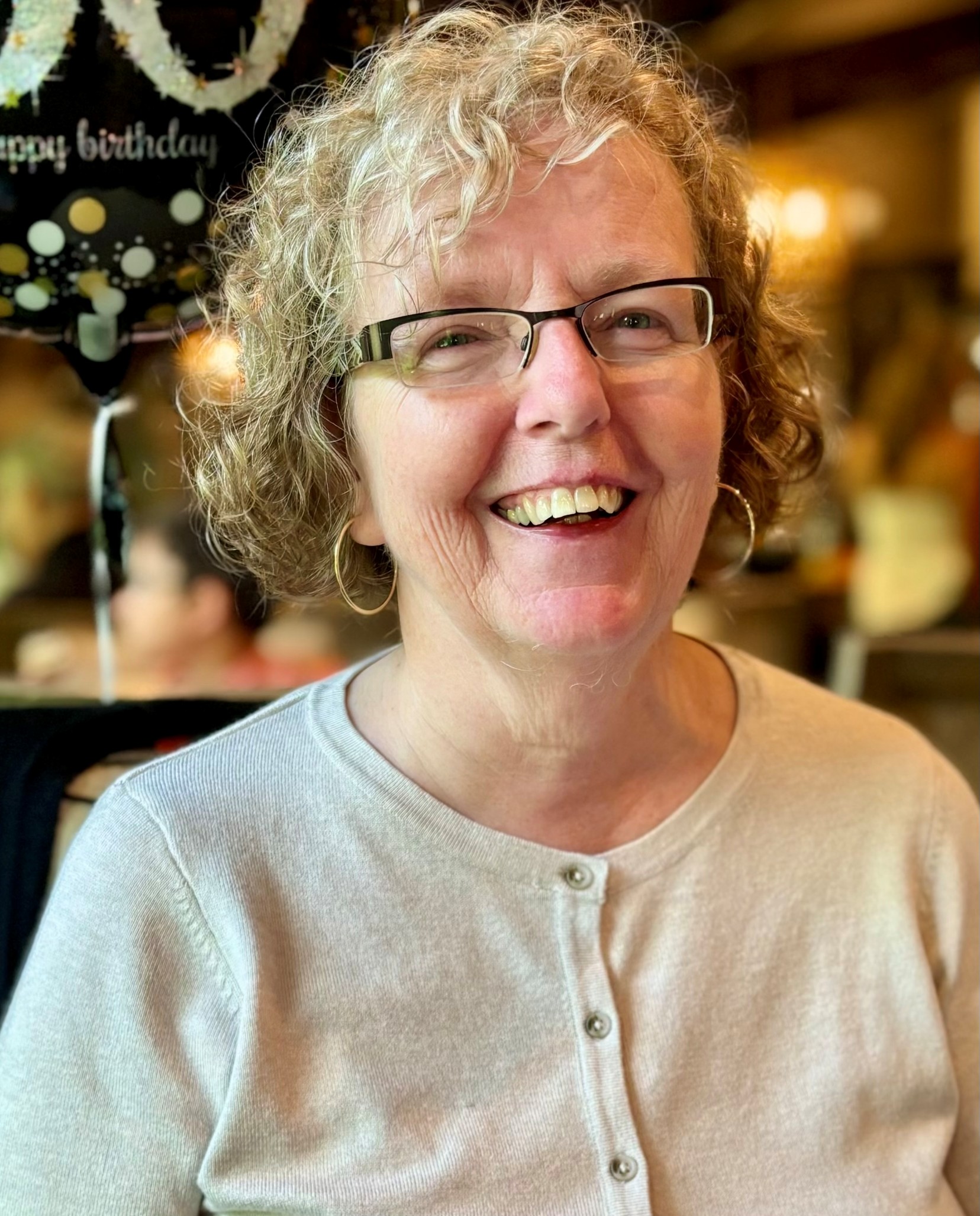
But Margaret’s life has also been shaped by ongoing health challenges. Diagnosed with Cushing’s disease at 25, where she developed several brain tumours around her pituitary gland, she later developed secondary Addison’s disease—a condition she has learned to manage with deep personal knowledge and vigilance. Over the years, she has faced multiple serious health events, including a brain tumour, unrelated to her Cushing’s disease.
“I haven’t been blessed with good health,” she says candidly, “but I’ve learned to listen to my body.”
It was that awareness that ultimately brought her to Joseph Brant Hospital during a life-threatening adrenal crisis. Margaret recognized the signs—lethargy, headache, and a deep sense that something wasn’t right. When her cousin called 911, she was taken to the Emergency Department at Joseph Brant Hospital. What happened next stayed with her.
From the moment she arrived, the care team acted quickly — starting IV treatment immediately and, just as importantly, listening to her. “They asked what I take, and they trusted me. They listened. They were compassionate and respectful. I’ve never experienced anything like it in my lifetime.”
After three days in hospital, as she prepared to go home, a nurse ensured she had a follow-up appointment arranged before discharge. “I would have fallen over if I weren’t in bed. I’ve never had that level of care before.”
Another staff member—a porter transporting her through the building—took a moment to chat and connect.
Having experienced healthcare systems throughout her life, Margaret knew just how extraordinary this level of care was.
“It wasn’t just the medical care,” Margaret reflects. “It was the humanity. Staff at Joseph Brant Hospital are cut from a different cloth.”
That experience didn’t just stay with her—it moved her to act. Margaret had initially made a $25 donation. But after her time at Joseph Brant Hospital, she made a far more meaningful decision: she updated her will to include a legacy gift. “For me, it was about gratitude,” she says. “When you’ve been as unwell as I’ve been, and then you receive care like that—it stays with you.”
Her decision is also grounded in a clear understanding of today’s healthcare realities. “People don’t always realize that so much of healthcare isn’t funded by the government,” she explains. “If we want the best—new equipment, better facilities—that comes from donors.”
Through her legacy gift, Margaret hopes to ensure others receive the same level of care she experienced—care that is not only highly skilled, but deeply compassionate.